Le Schmidt Opens the Gates: Copenhagen Fashion Show

Soeren Le Schmidt Opens the Gates

September 16, 2026

We were invited to Søren Le Schmidt’s latest show – and so was the rest of the Copenhagen fashion scene.

After missing Søren Le Schmidt’s extravagant Paris runway just a few months ago, there was no way we were missing this one. In June, the Danish designer brought his work to Maison du Danemark on the Champs-Élysées, placing Scandinavian fashion, innovation and Nordic heritage in the heart of Paris.

Known for his precise tailoring, couture, eveningwear and bridalwear, Le Schmidt makes clothes for entrances, celebrations and moments when looking extraordinary is very much the point. His designs have been worn by Danish public figures, notably Queen Mary of Denmark and former prime minister Helle Thorning-Schmidt.

There are fashion shows, and then there are public statements.

Le Schmidt’s September show was both.

His vision extends beyond the clothes themselves. He has often spoken about wanting fashion to bring people together — across walks of life and social classes — and to create moments where fashion, art and culture can exist as a shared experience rather than behind the closed gates of an elitist fashion industry. For this show, he decided to take that idea literally: open the gates and invite Copenhagen in.

The show was free and open to the public, deliberately putting fashion insiders, celebrities, creatives and Copenhageners who simply wanted to see the show in the same space.

And where better to do it than the King’s Garden?

Commissioned under Denmark’s King Christian IV, whose appetite for spectacle, fashion and beauty was hardly modest, the historic gardens became the setting for Le Schmidt’s latest collection.

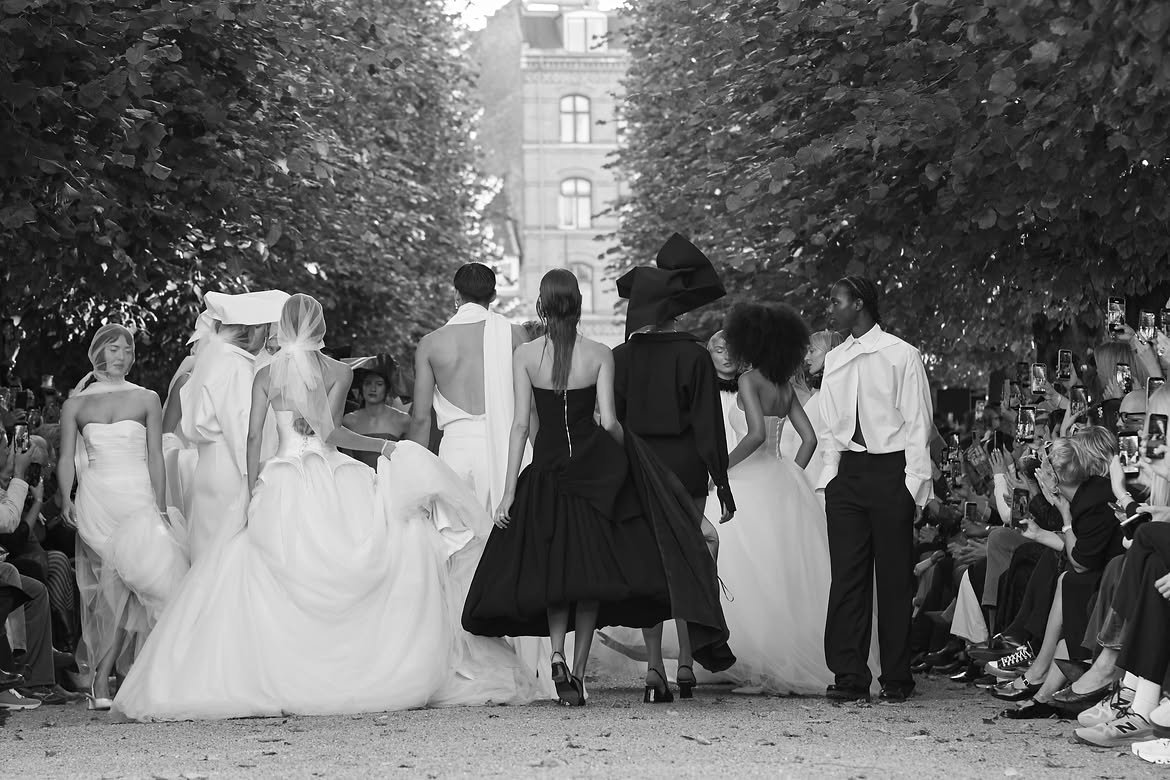
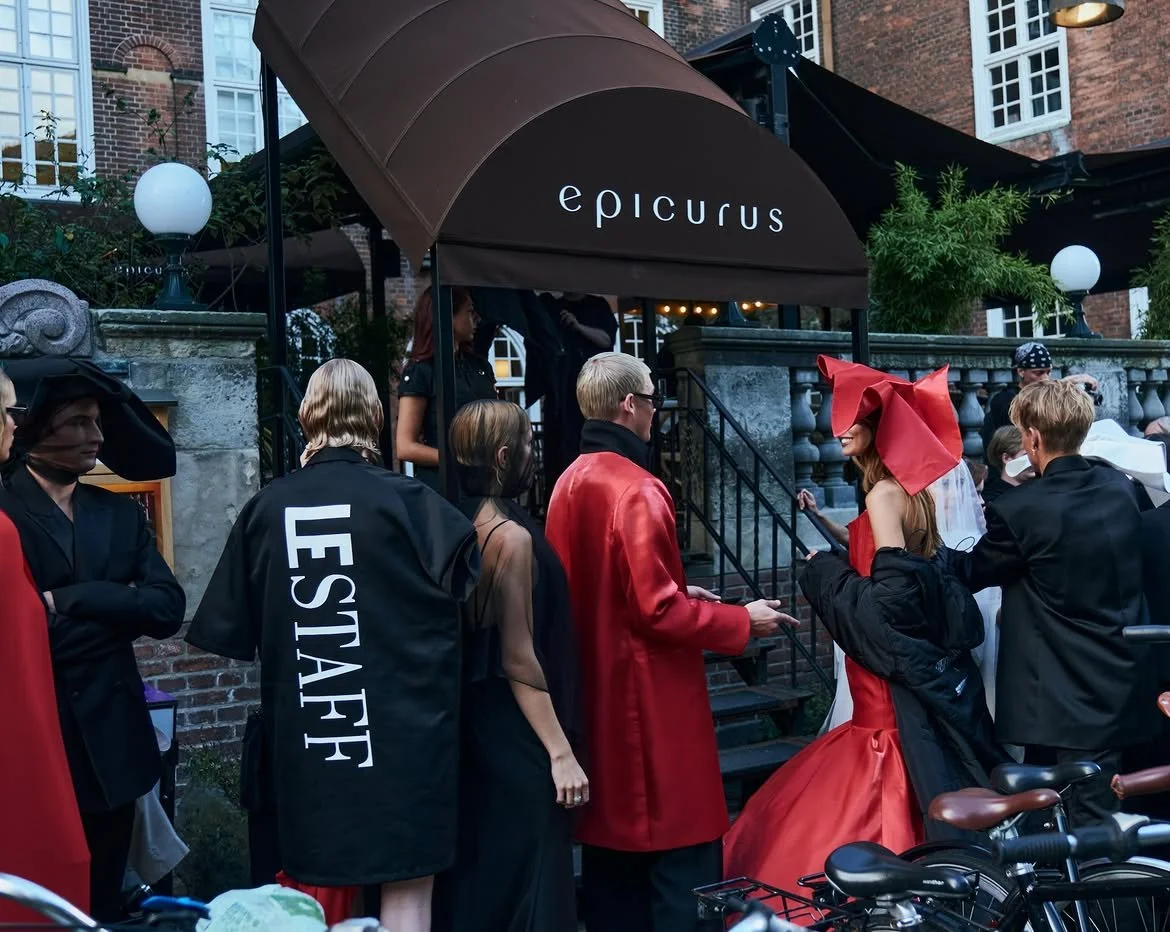
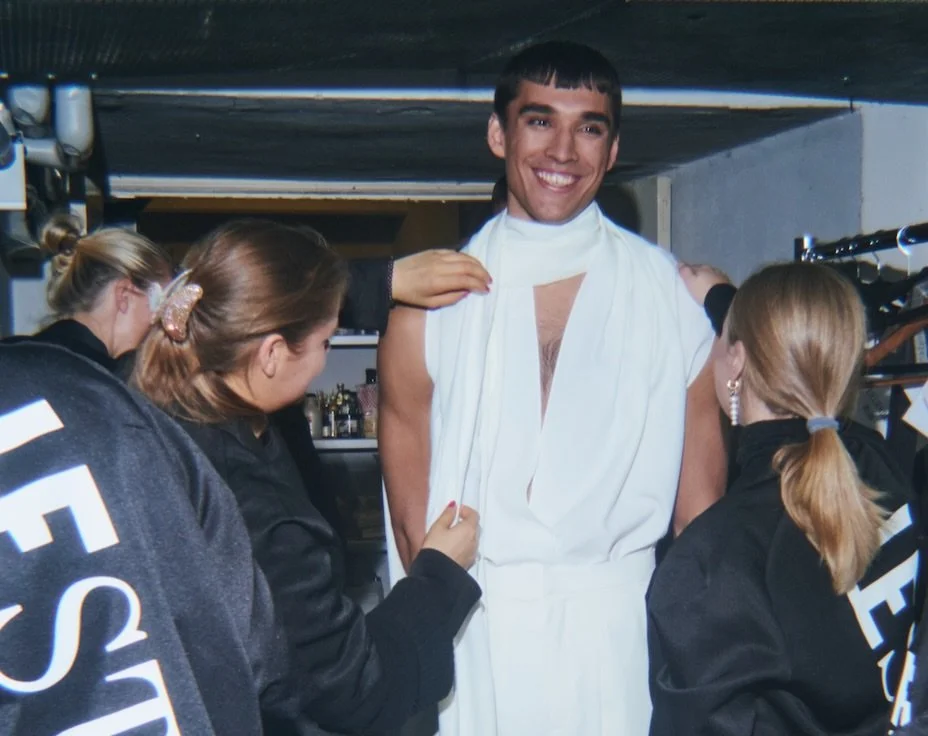
For one evening, Kavalergangen and its enormous old trees became the backdrop for around 48 looks, as the Danish Boys’ Choir performed beneath the trees and the collection brought together the things the designer has become known for: sharp tailoring, dramatic eveningwear, couture silhouettes and the kind of glamour that refuses to apologise for itself.

And the casting made the concept even more apparent;

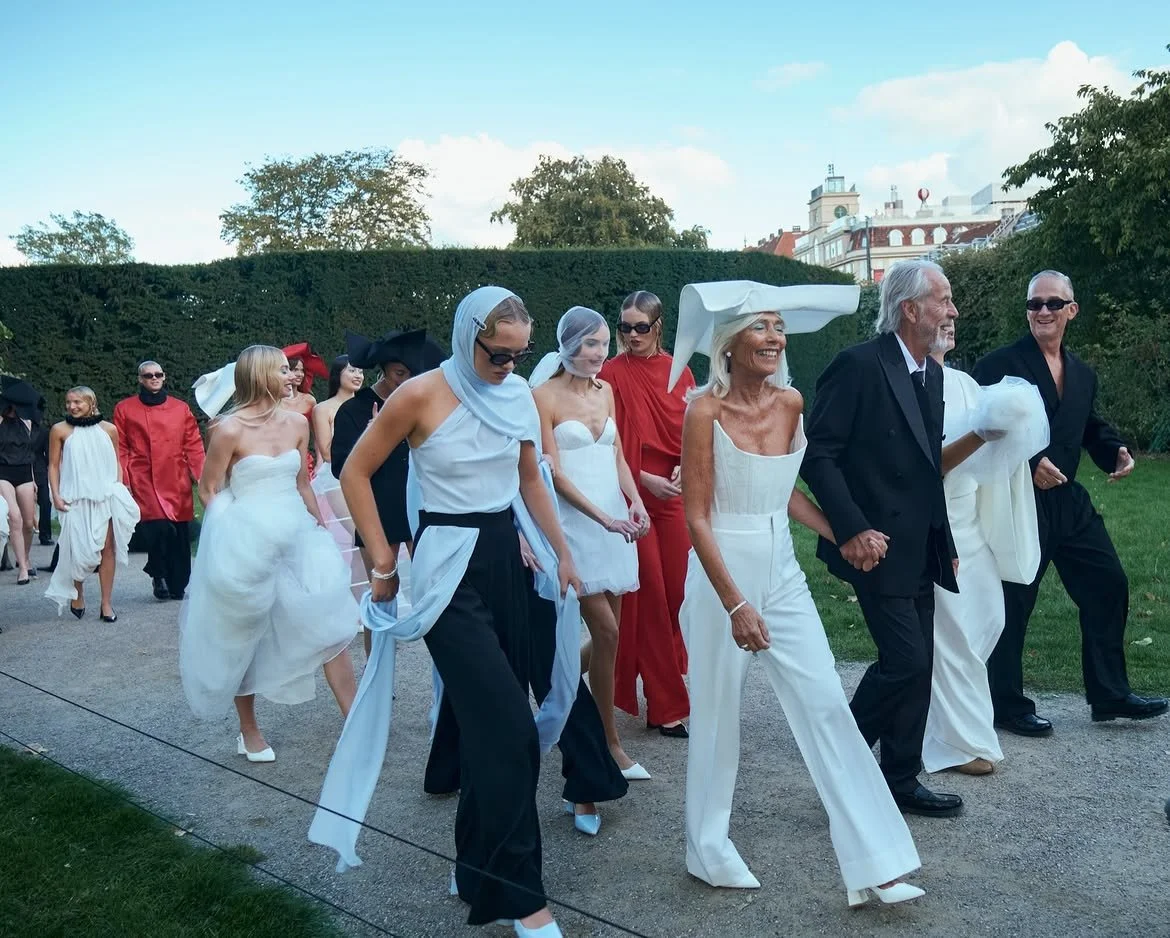
Different generations appeared on the runway, alongside people whose lives extend well beyond the fashion world. Most notably, Danish celebrity couple Gun-Britt and Torben Zeller traded their seats in the audience for the catwalk itself, with the legendary hairstylist and actor becoming models for the evening. Fashion model Laila Hasanovic closed the show in a dramatic bridal look, while Forræder personalities Noah Umur Kanber and Loke Lund also appeared.

It was an unusual cast for a couture show — recognisable faces, established personalities and people from entirely different corners of Danish public life sharing the runway with professional models.

There was, however, one rather large variable that no designer could control.

The weather.

There was a delicious element of risk to staging couture outdoors in Copenhagen in September. At any moment, rain could have wiped the smiles off every face.

Because this is Copenhagen. September weather is not exactly known for respecting fashion editors, couture gowns or carefully constructed hair and makeup. Yet nothing can stop Copenhagen’s residents from showing up.

Luckily, the weather played along, and the show transformed King’s Garden into something between a runway, a garden party and a Copenhagen night out.

Nothing about the clothes was understated. Nothing about the setting was ordinary. And yet everything about this show itself felt remarkably down to earth.

There was no velvet-rope mythology separating the fashion world from the city.

The city was the venue.
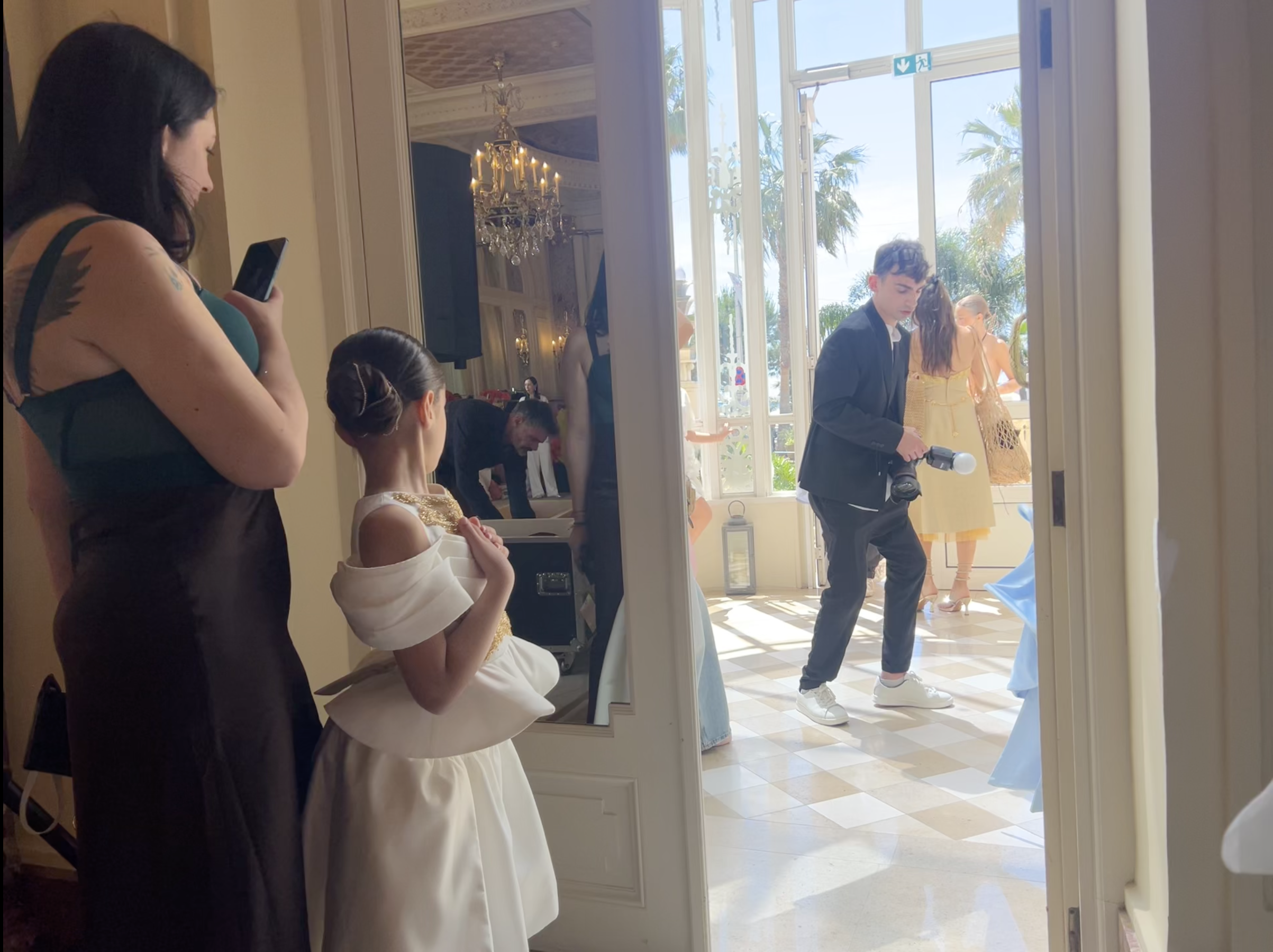
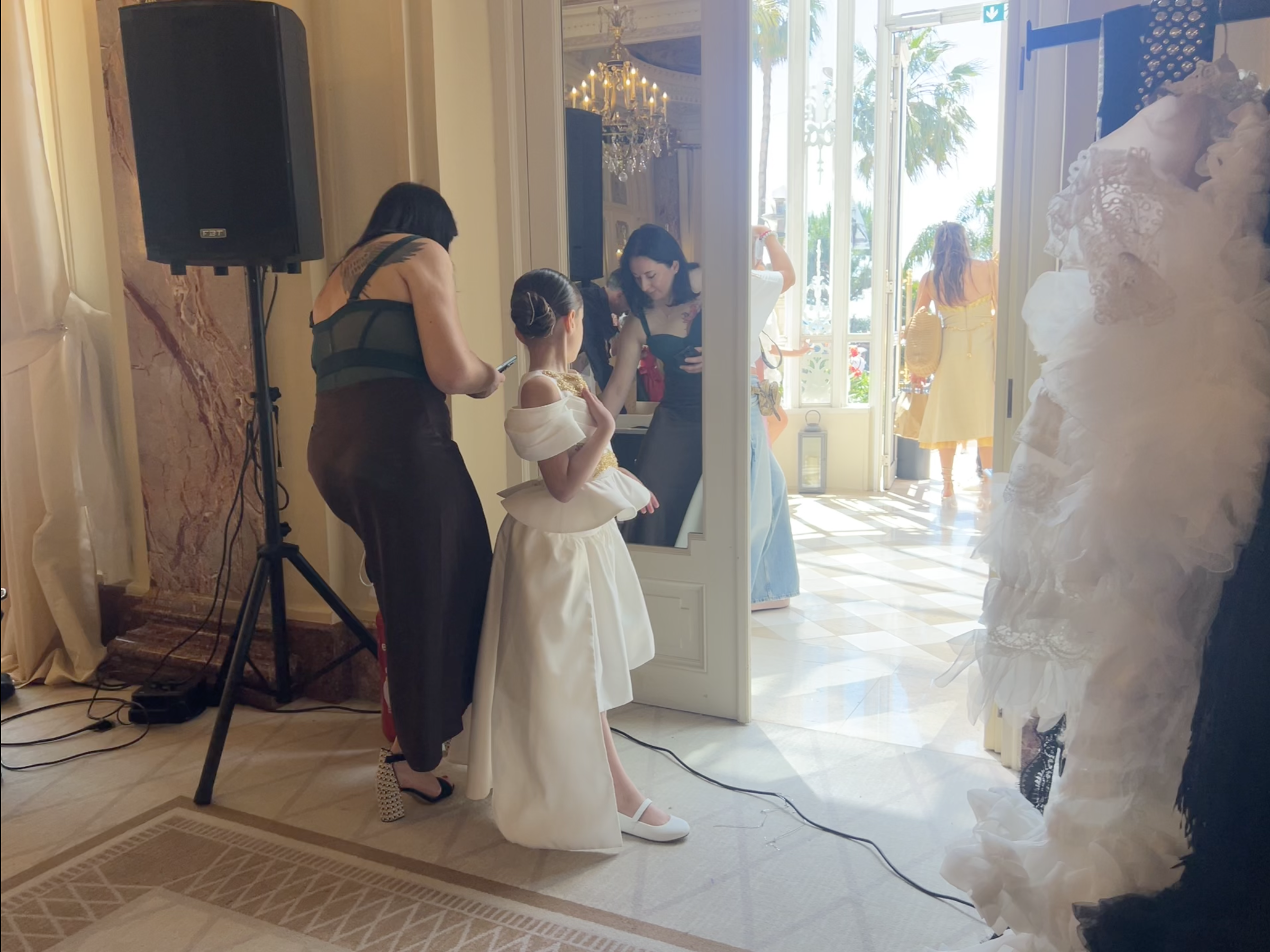
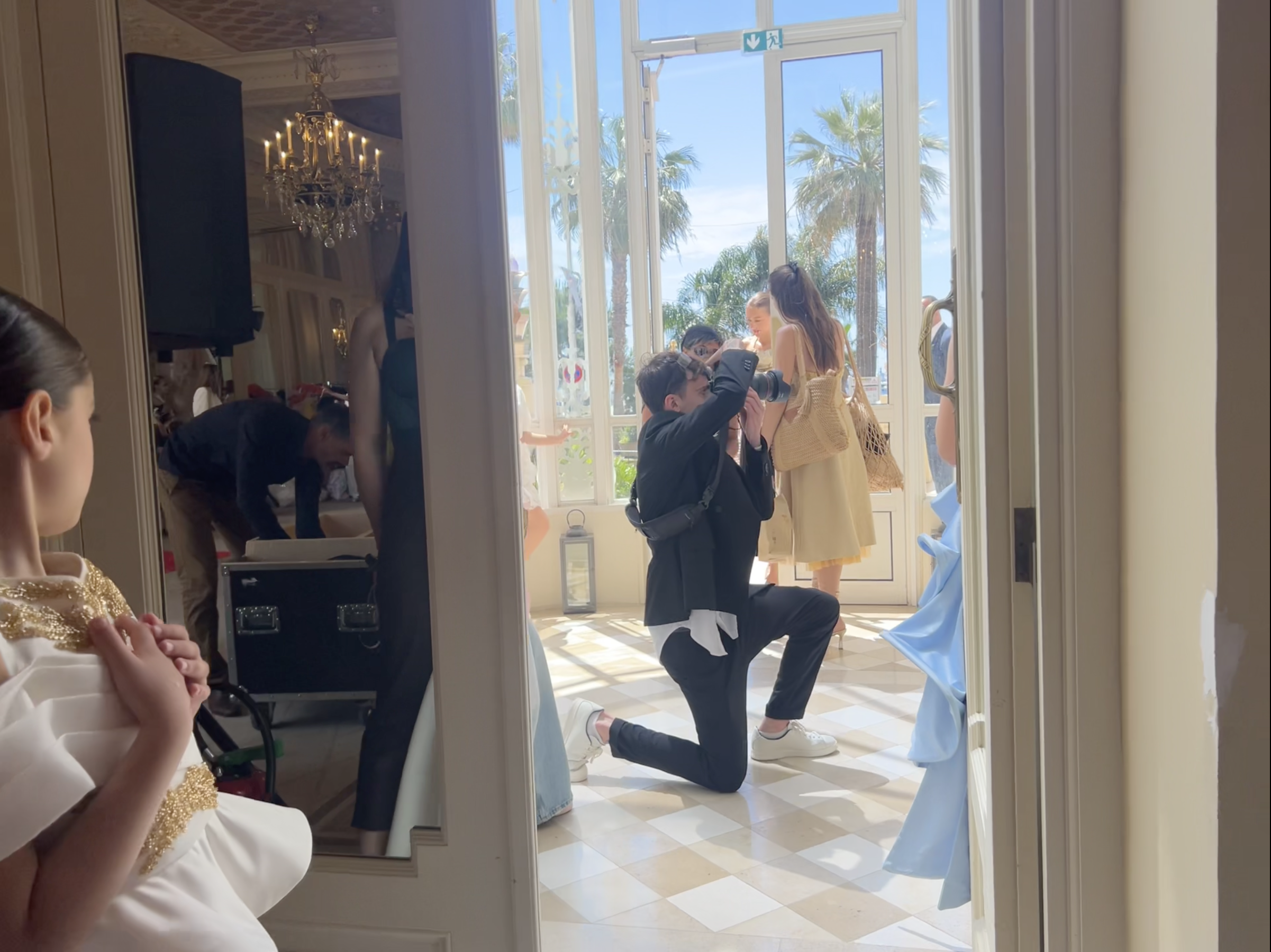
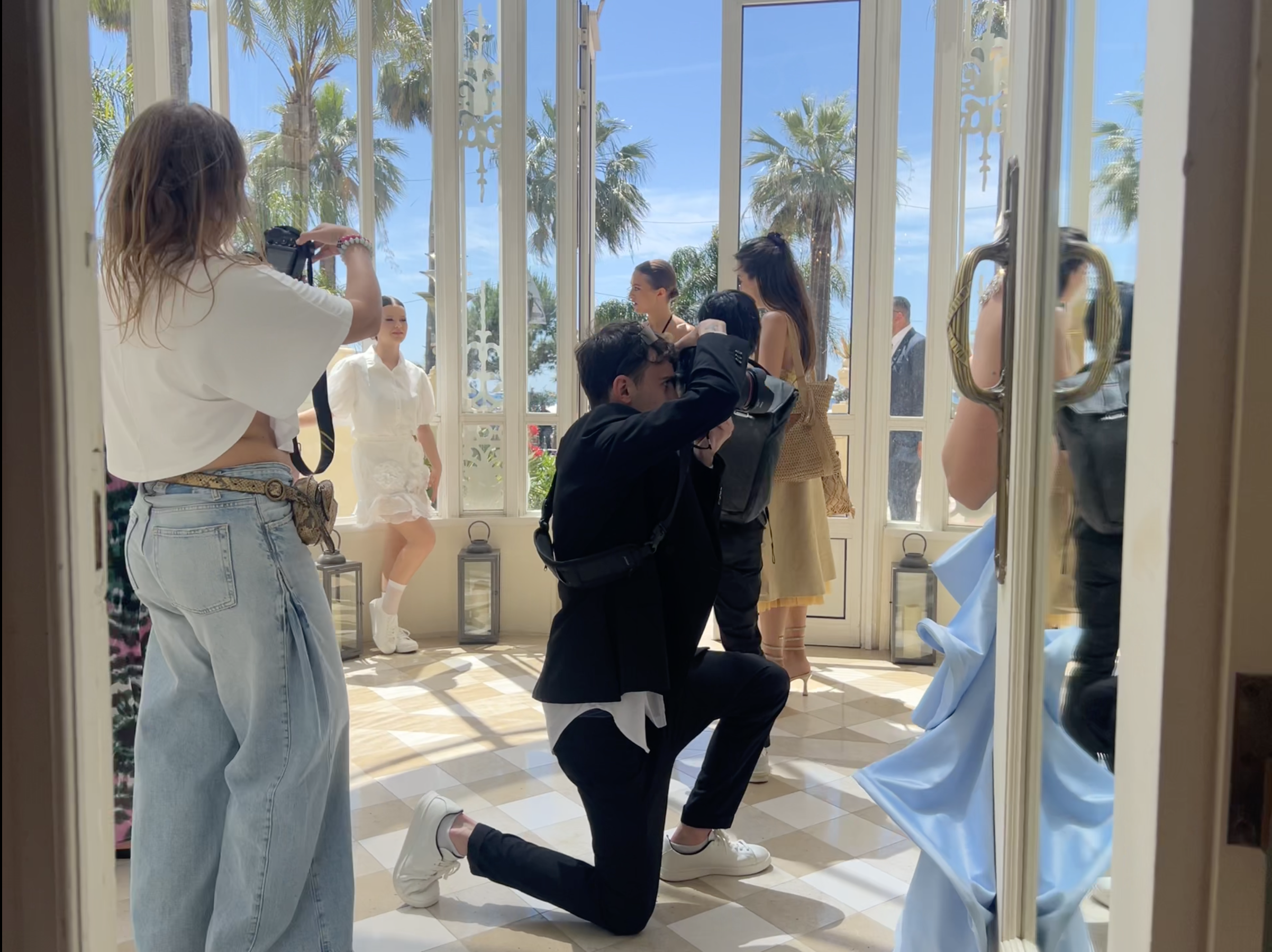
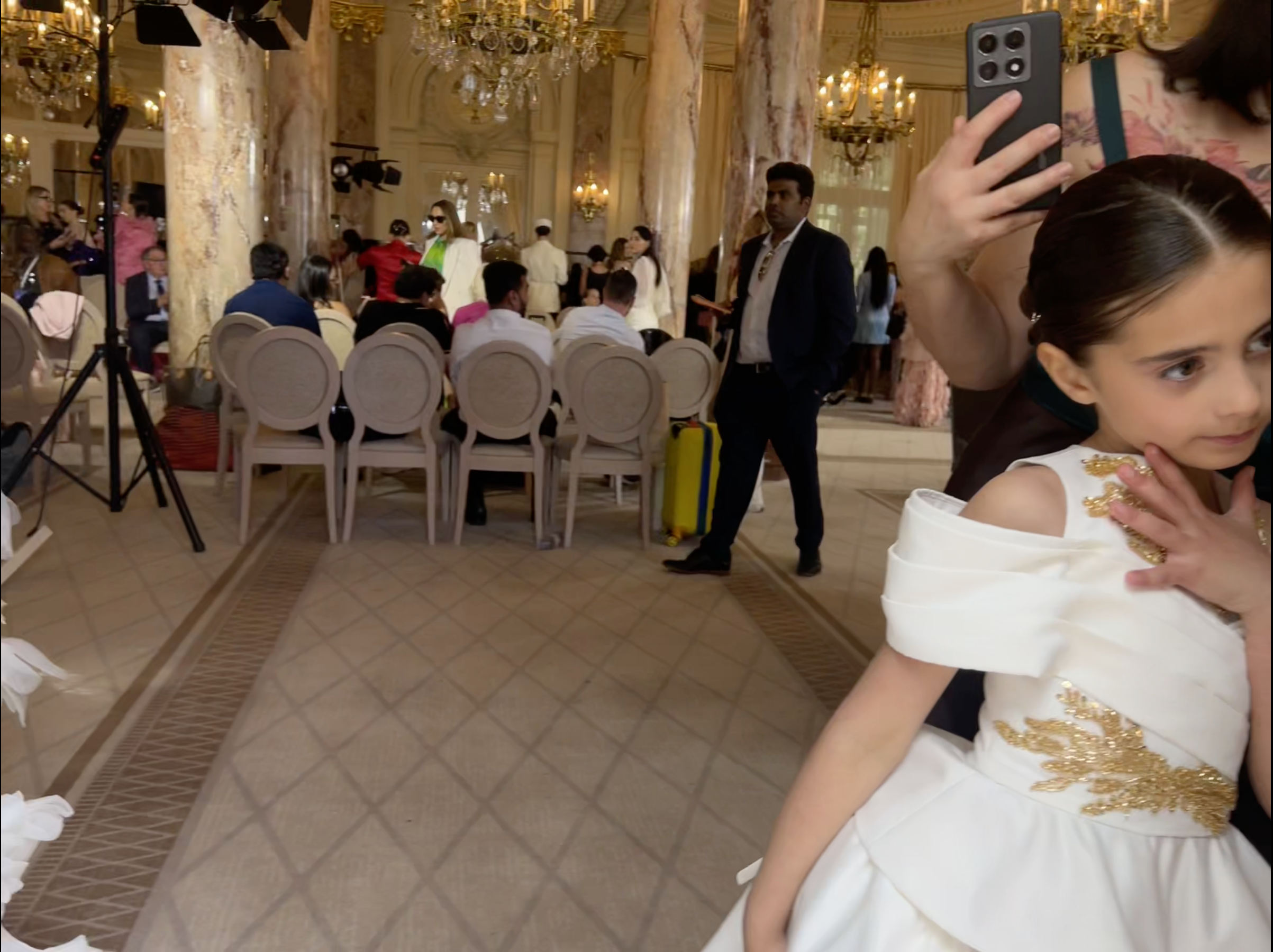
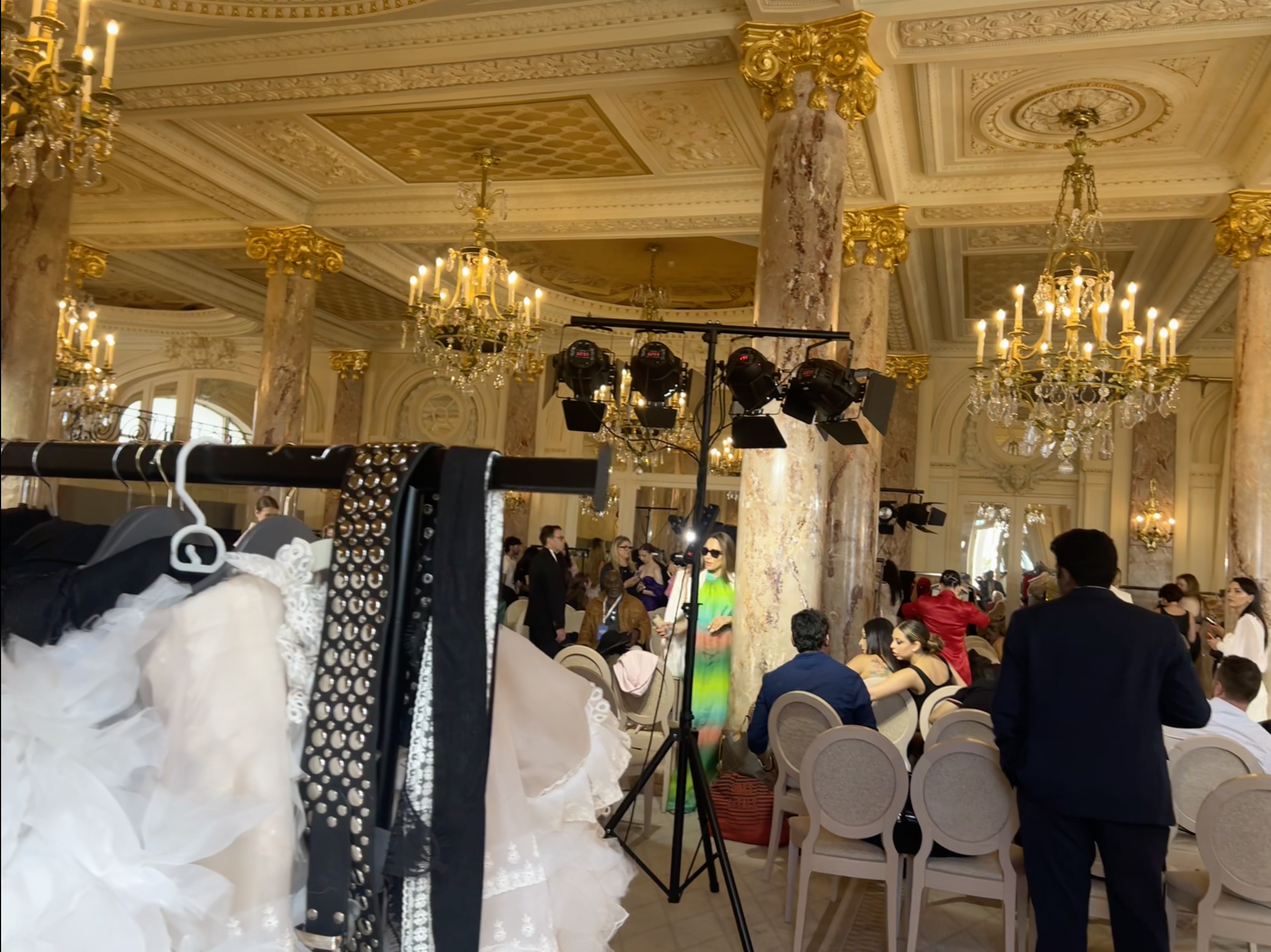
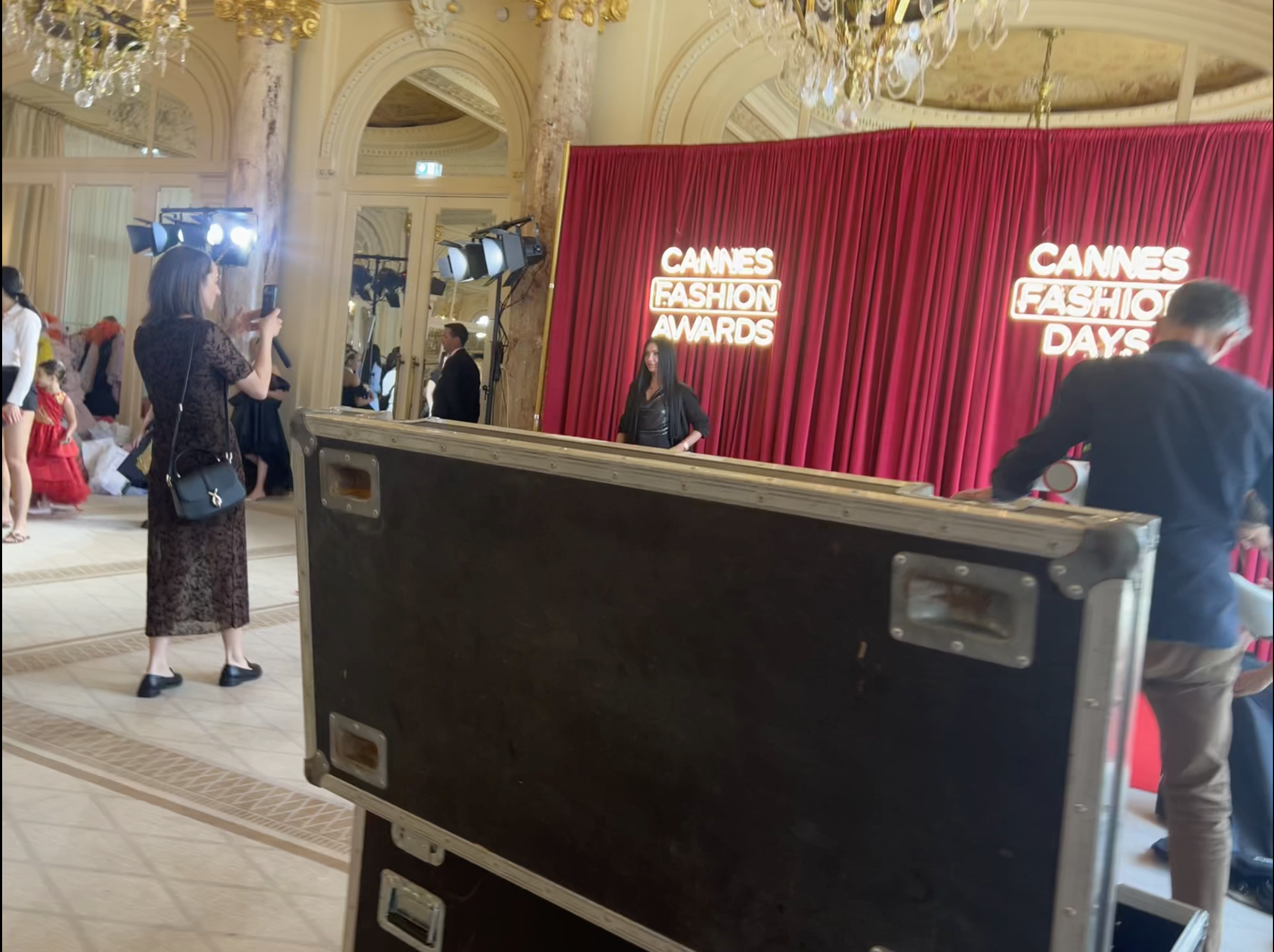
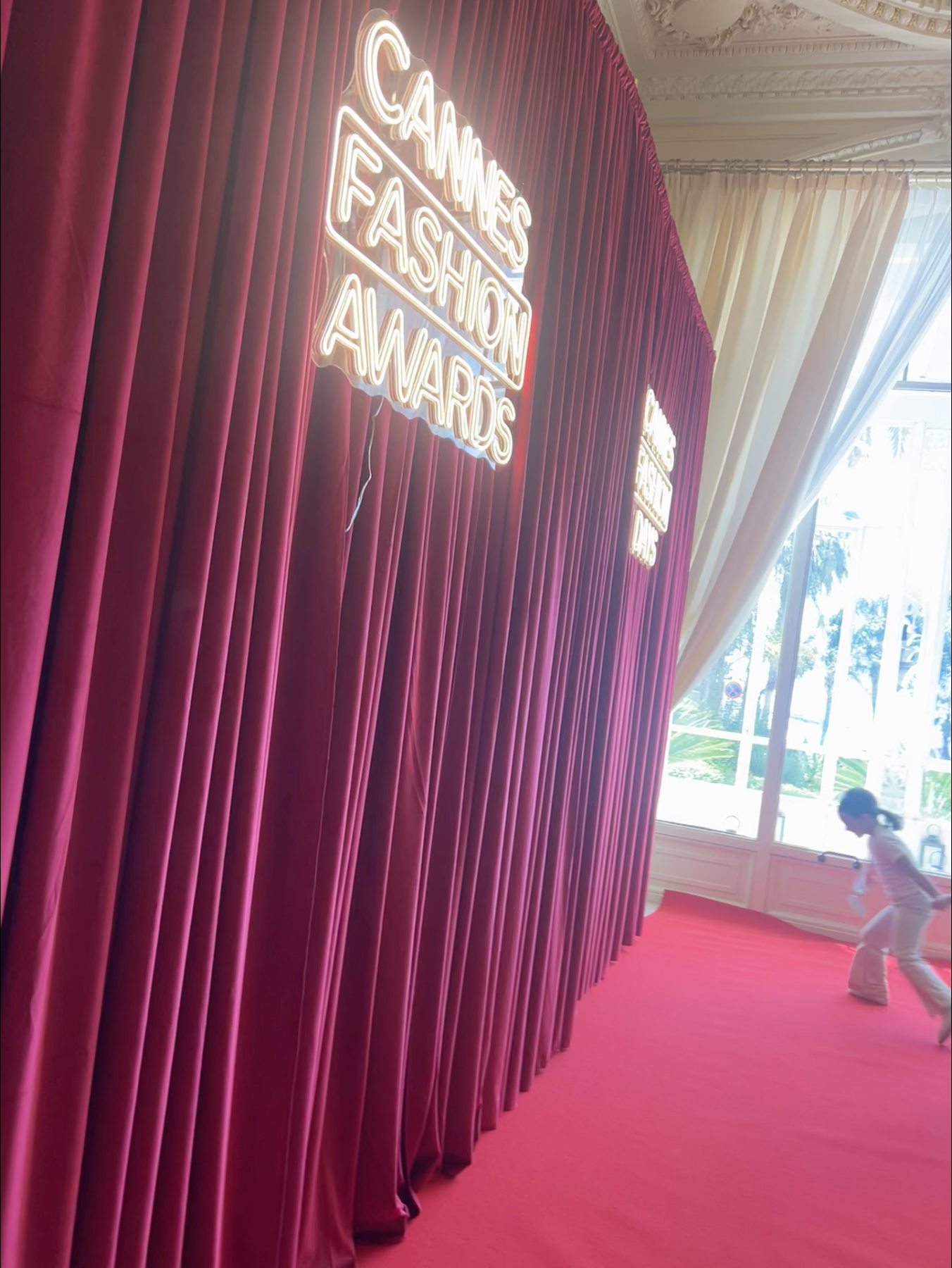
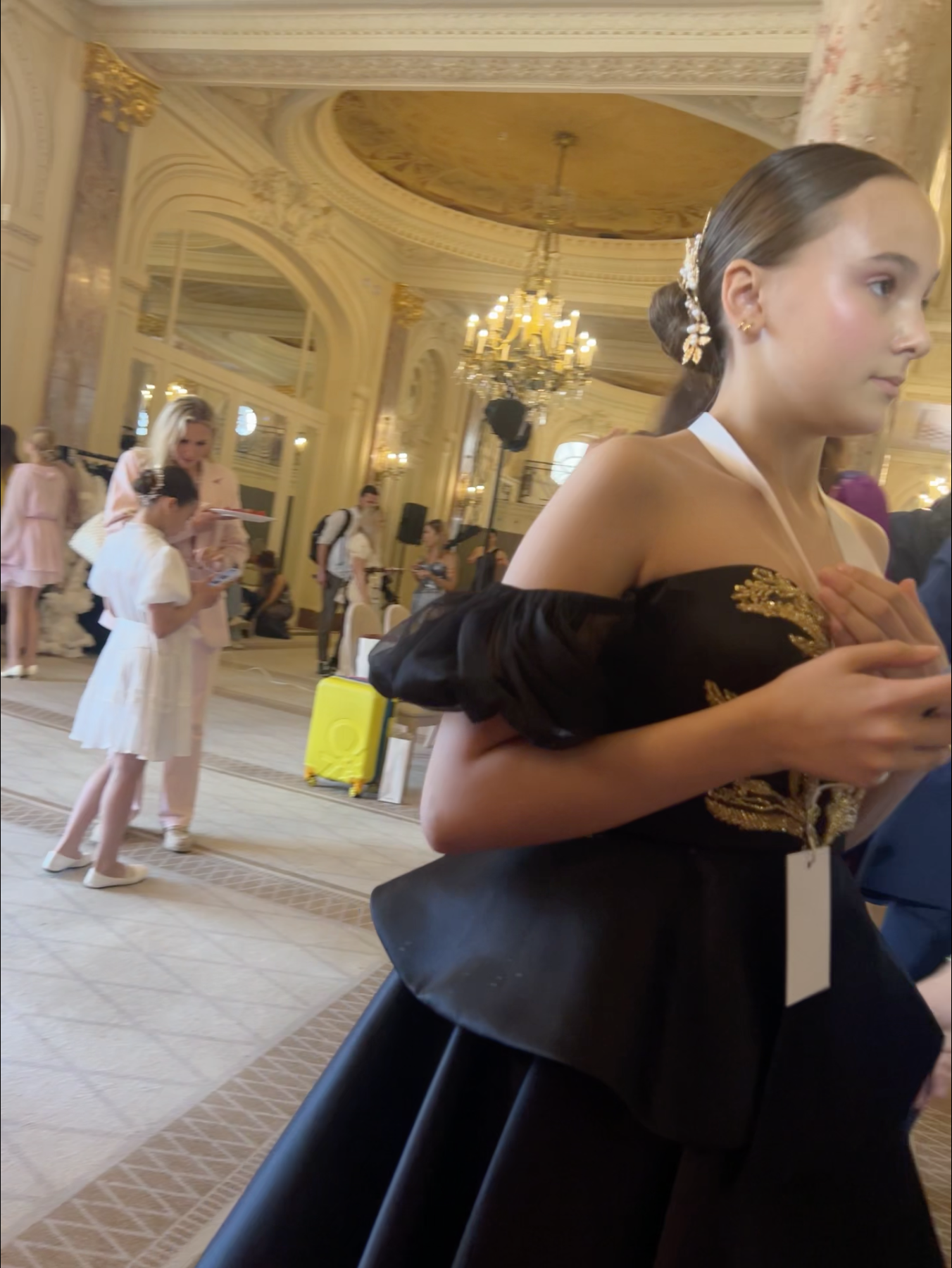
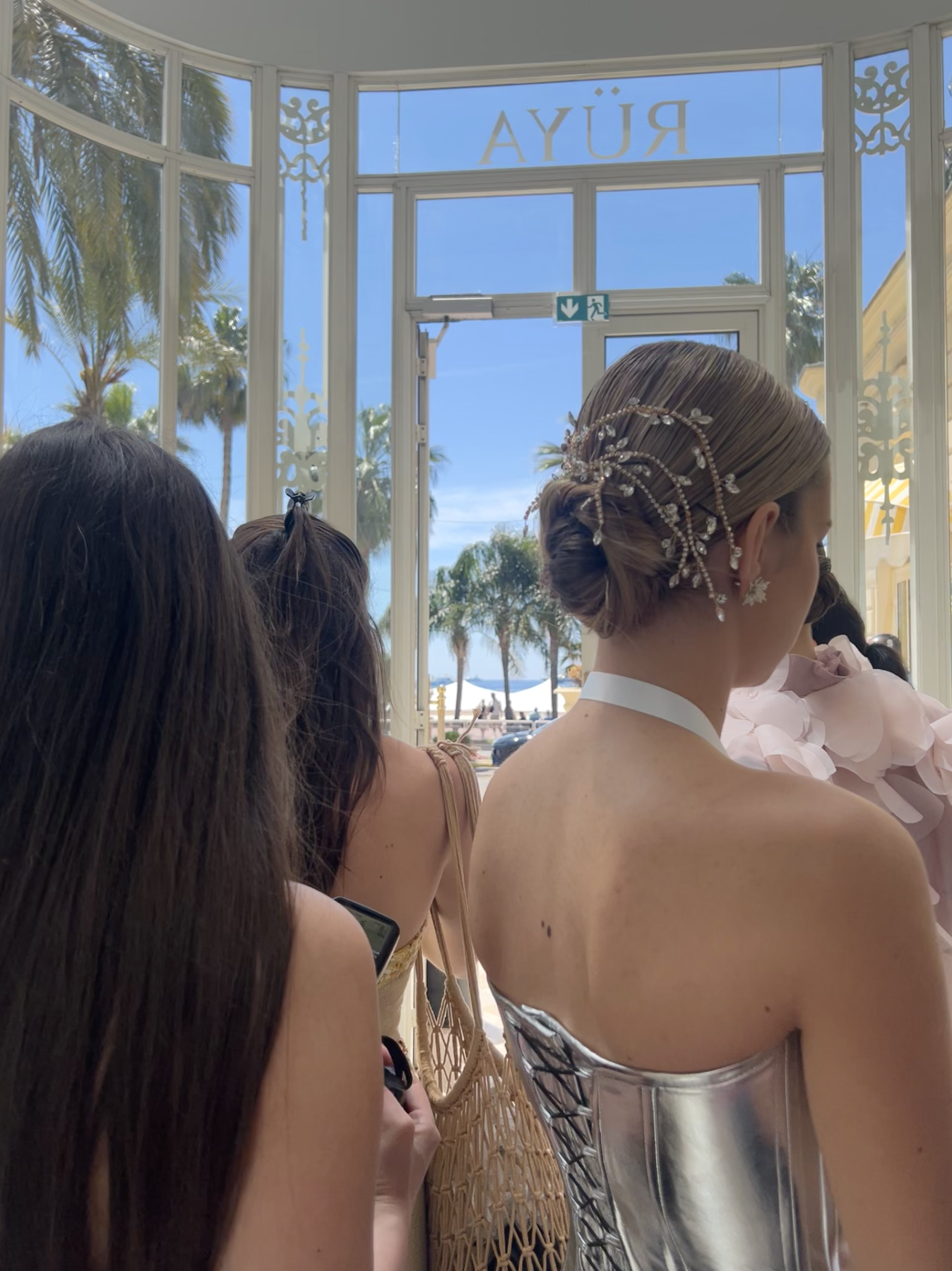
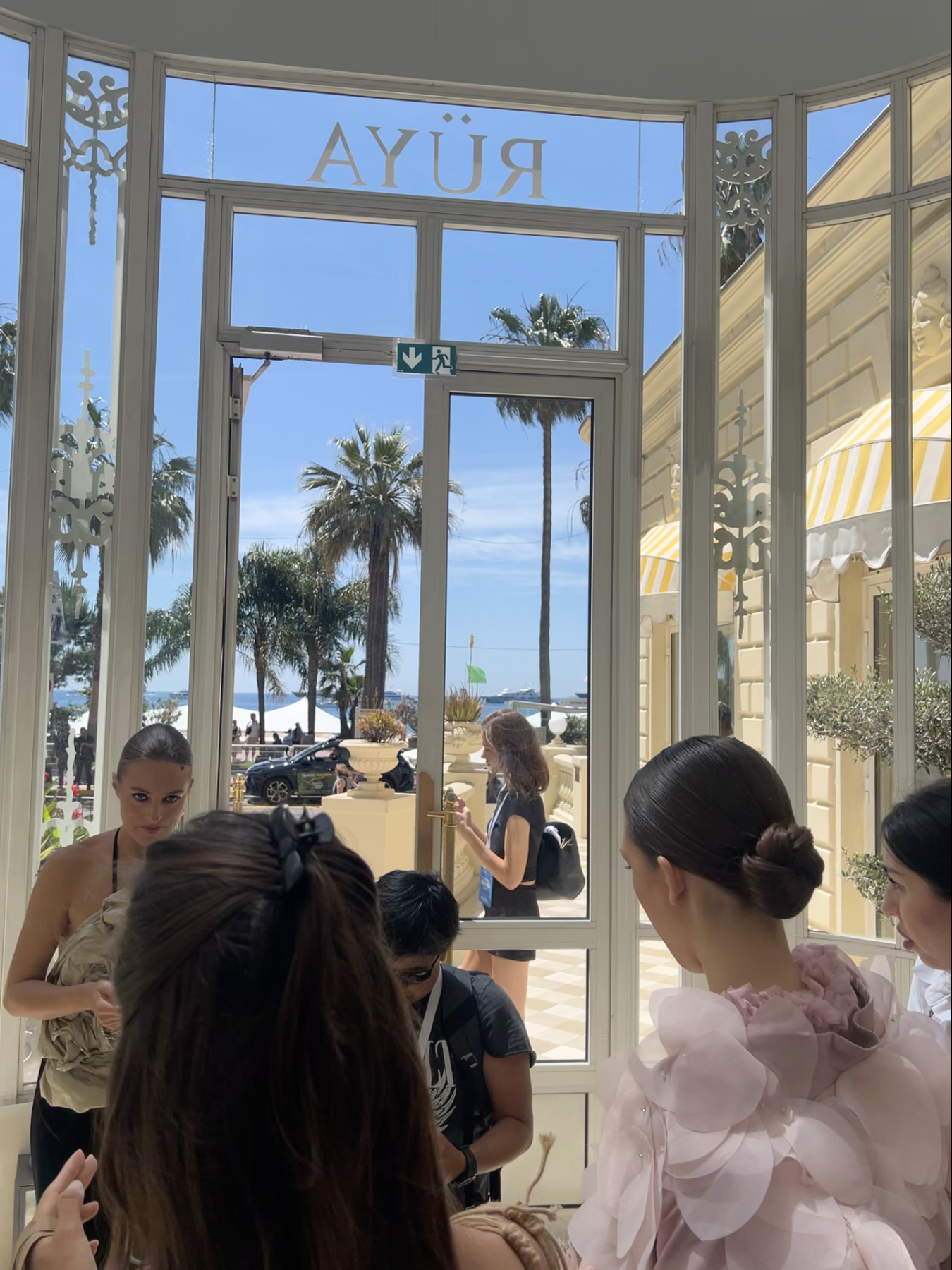
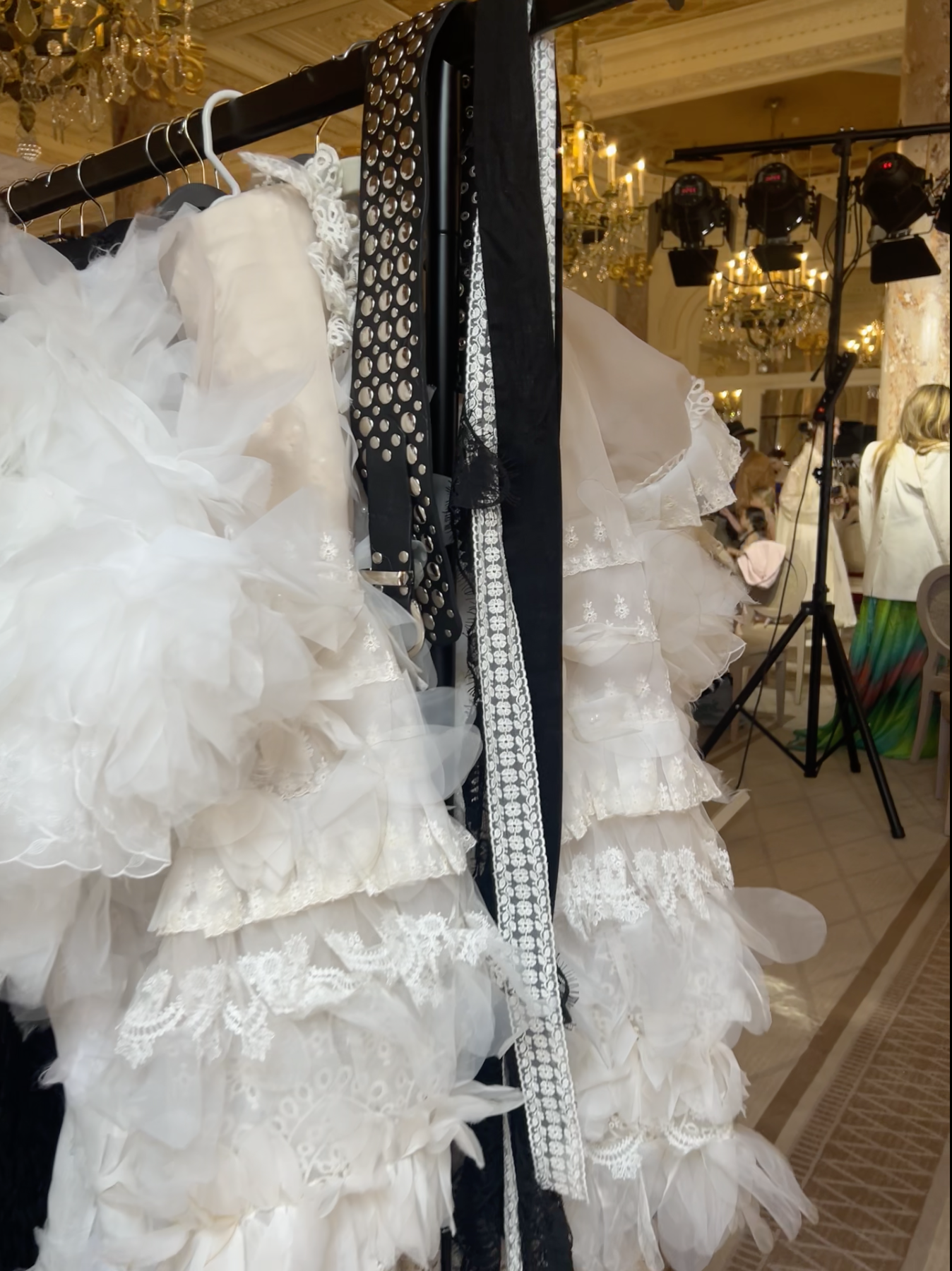
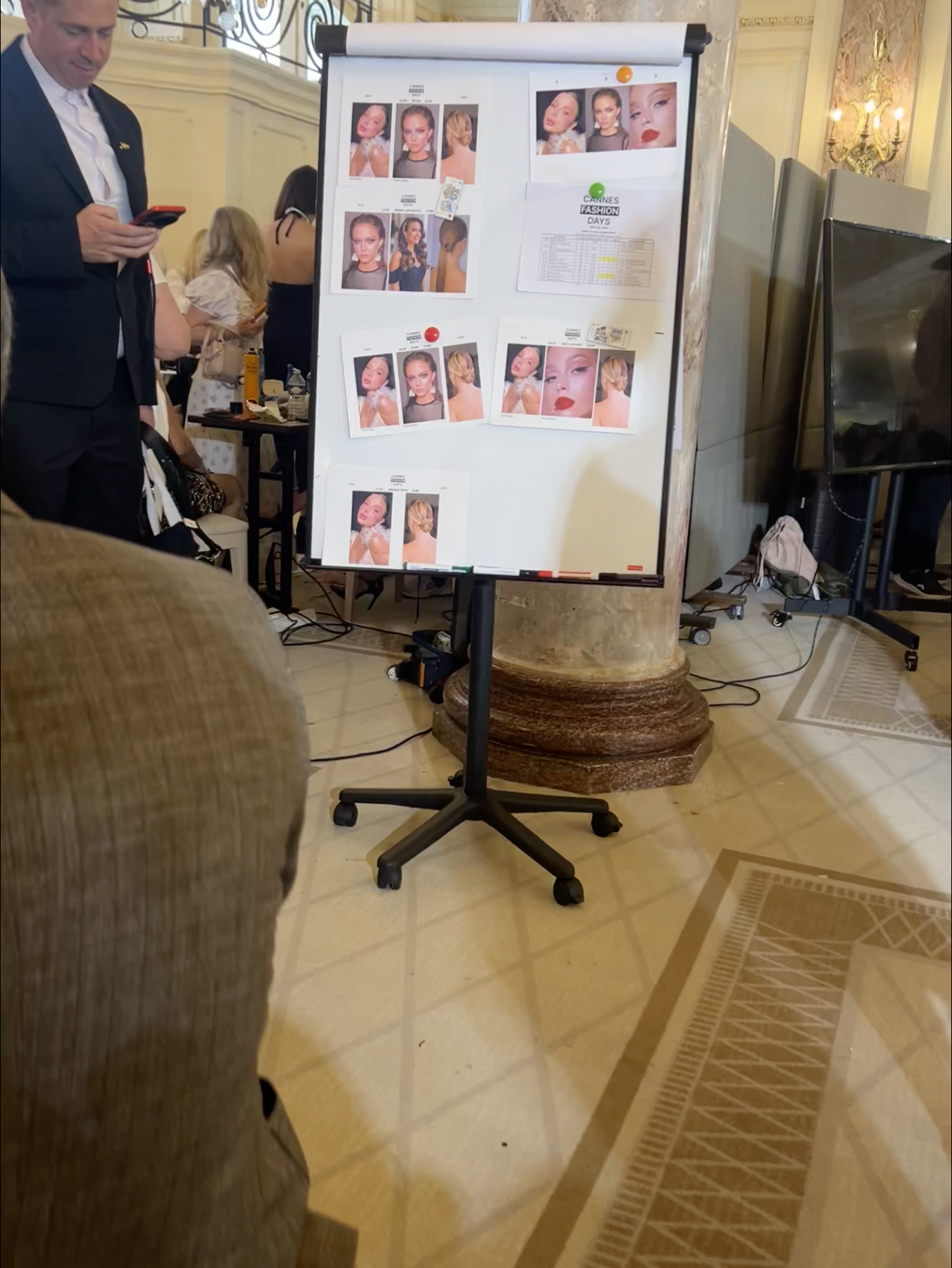
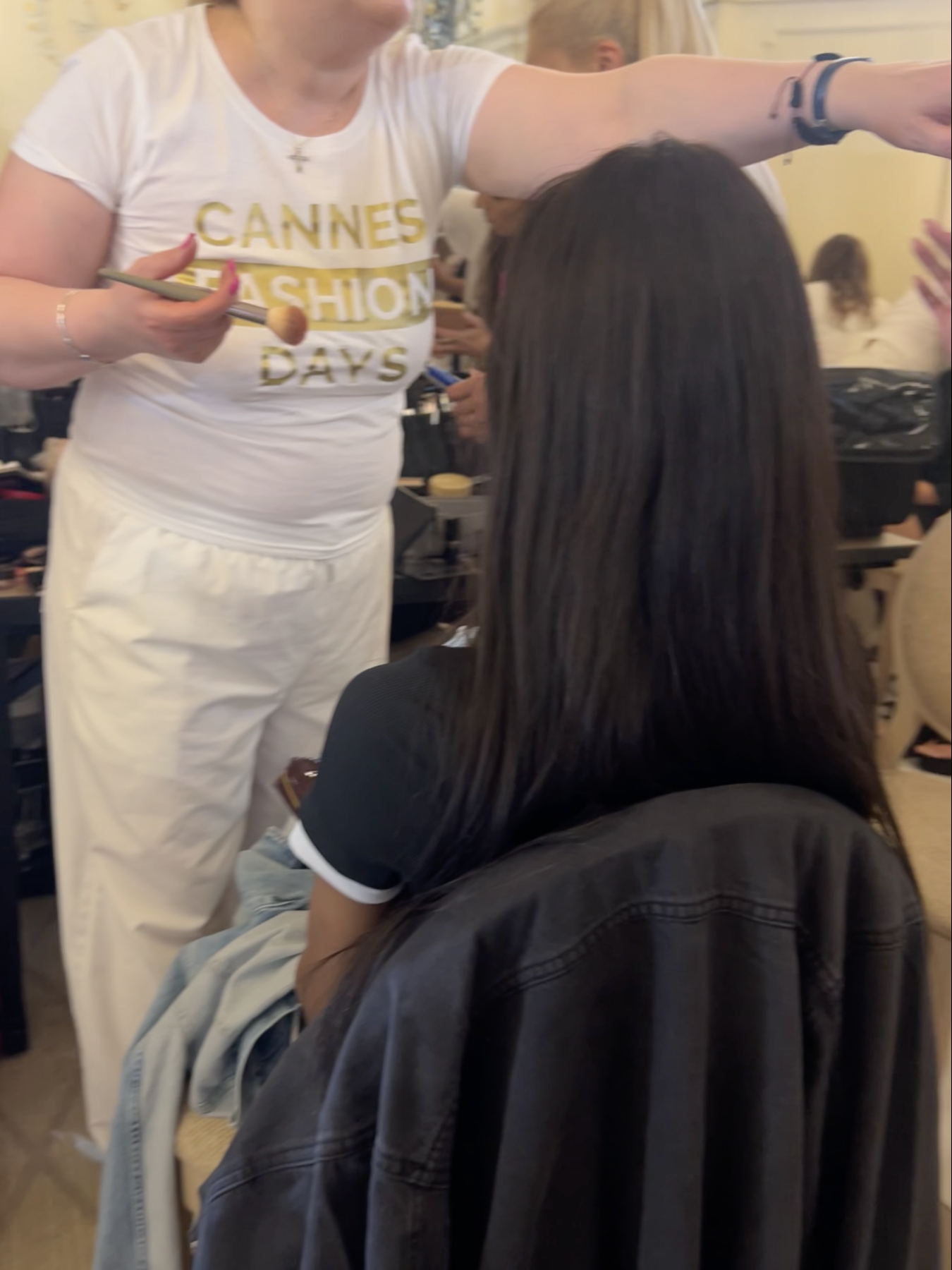
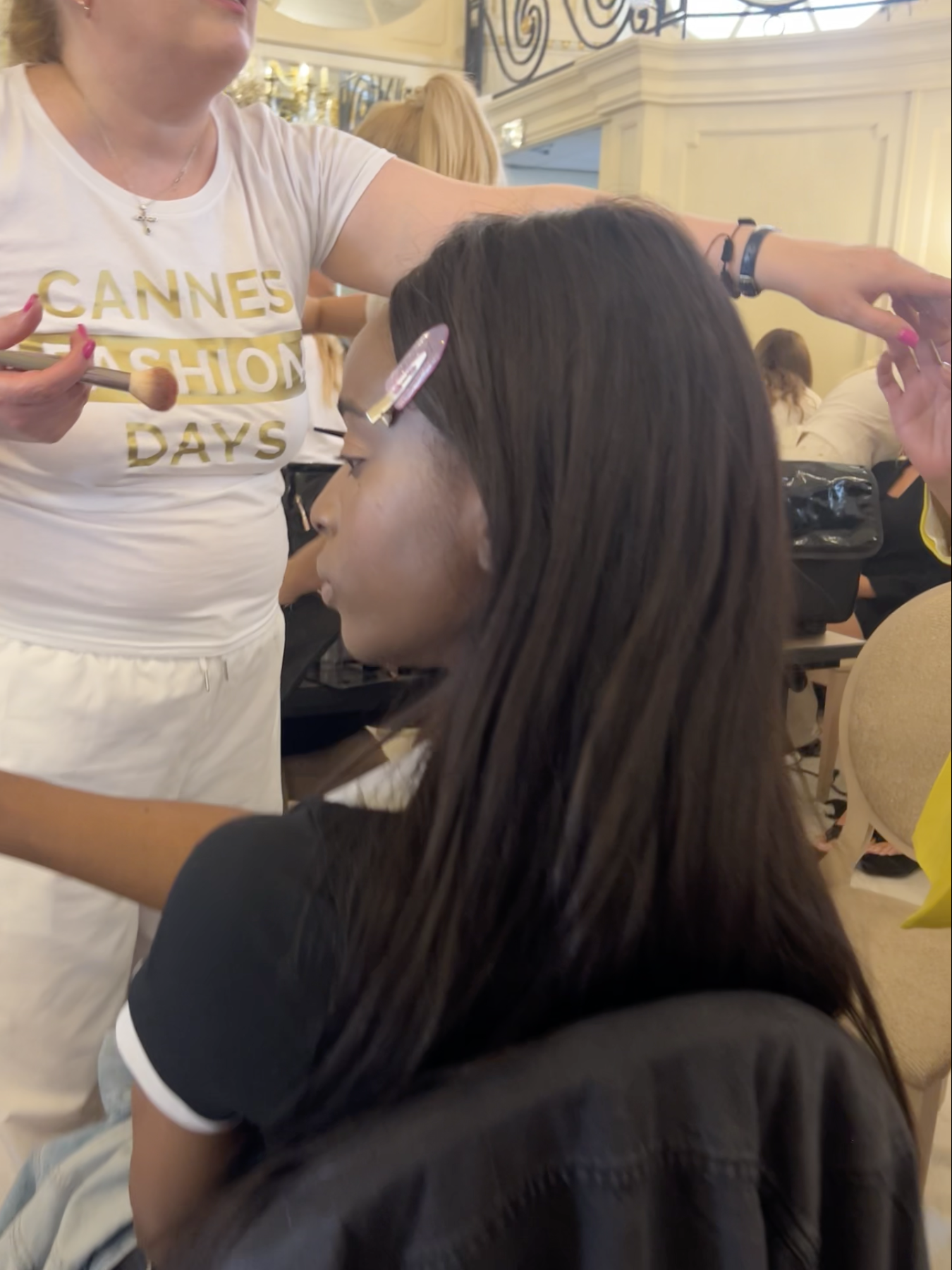
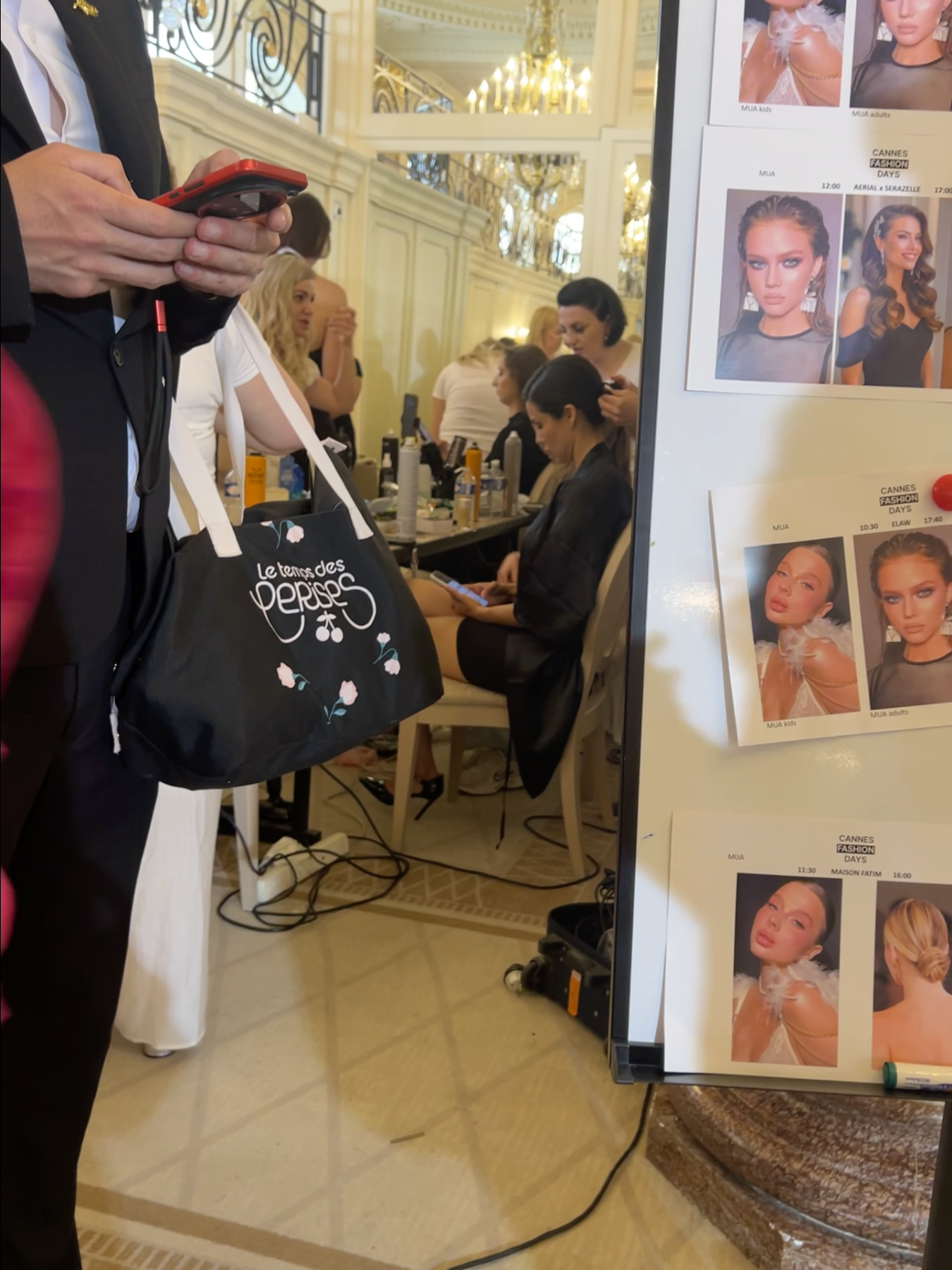
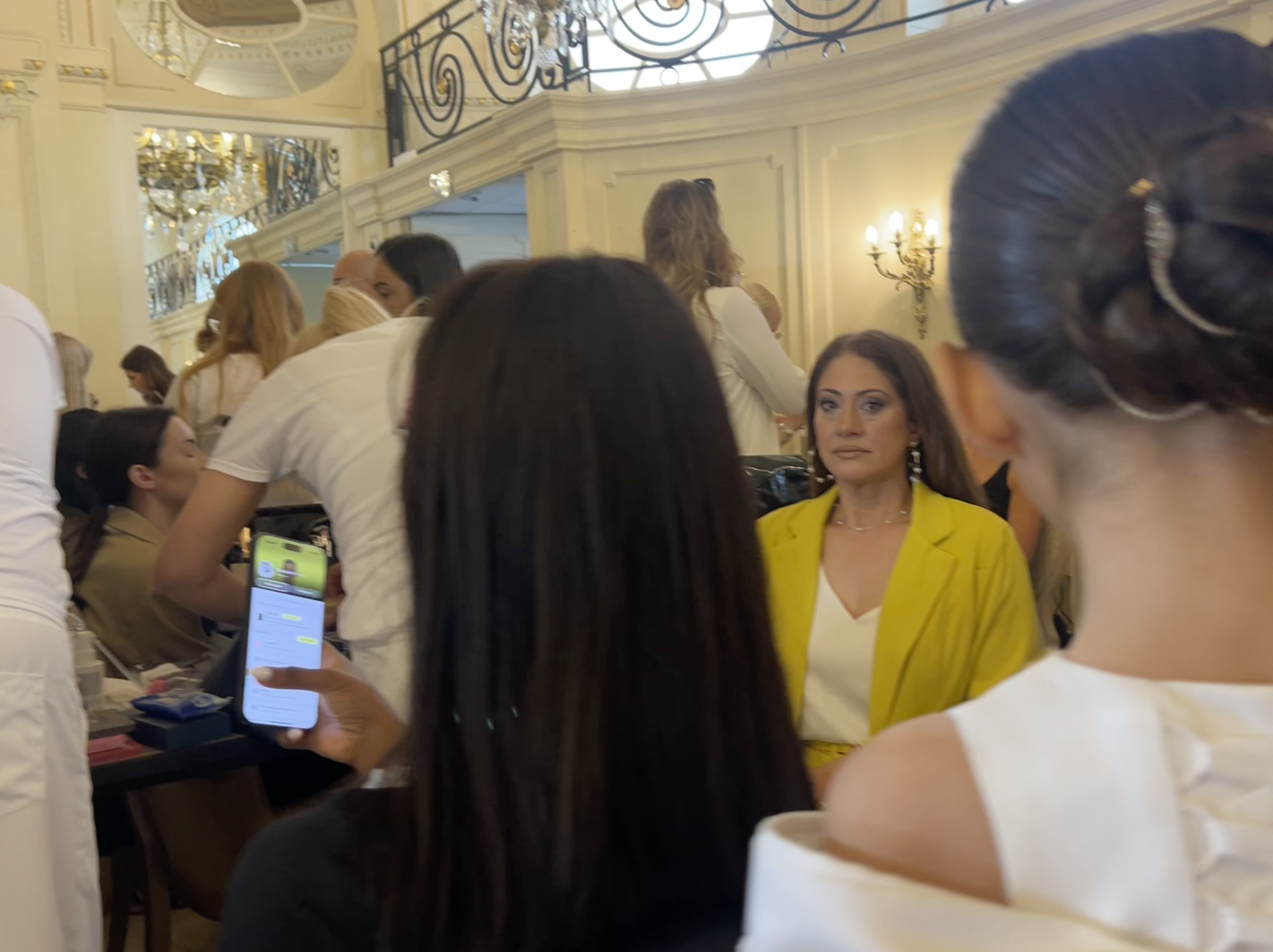
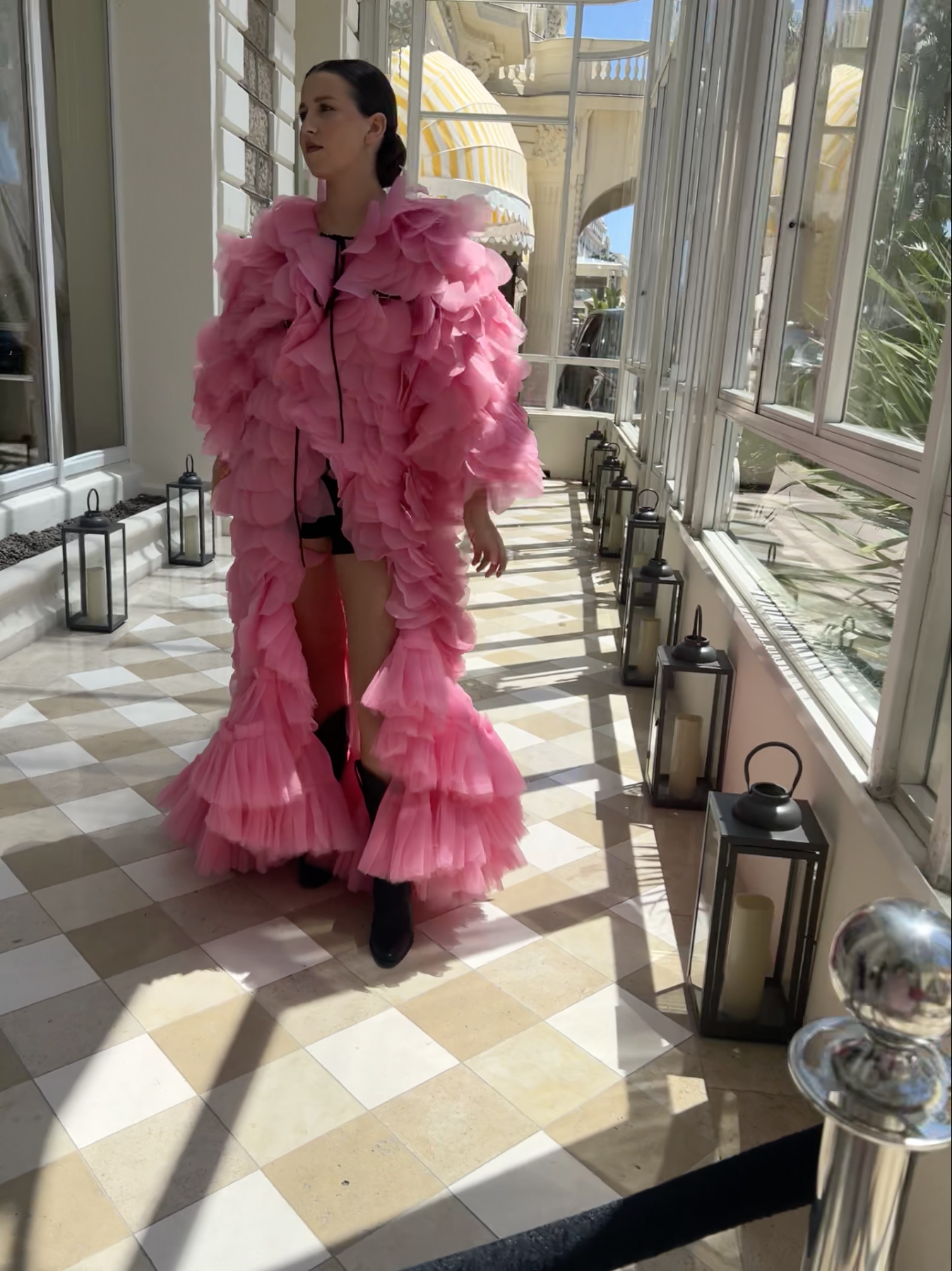
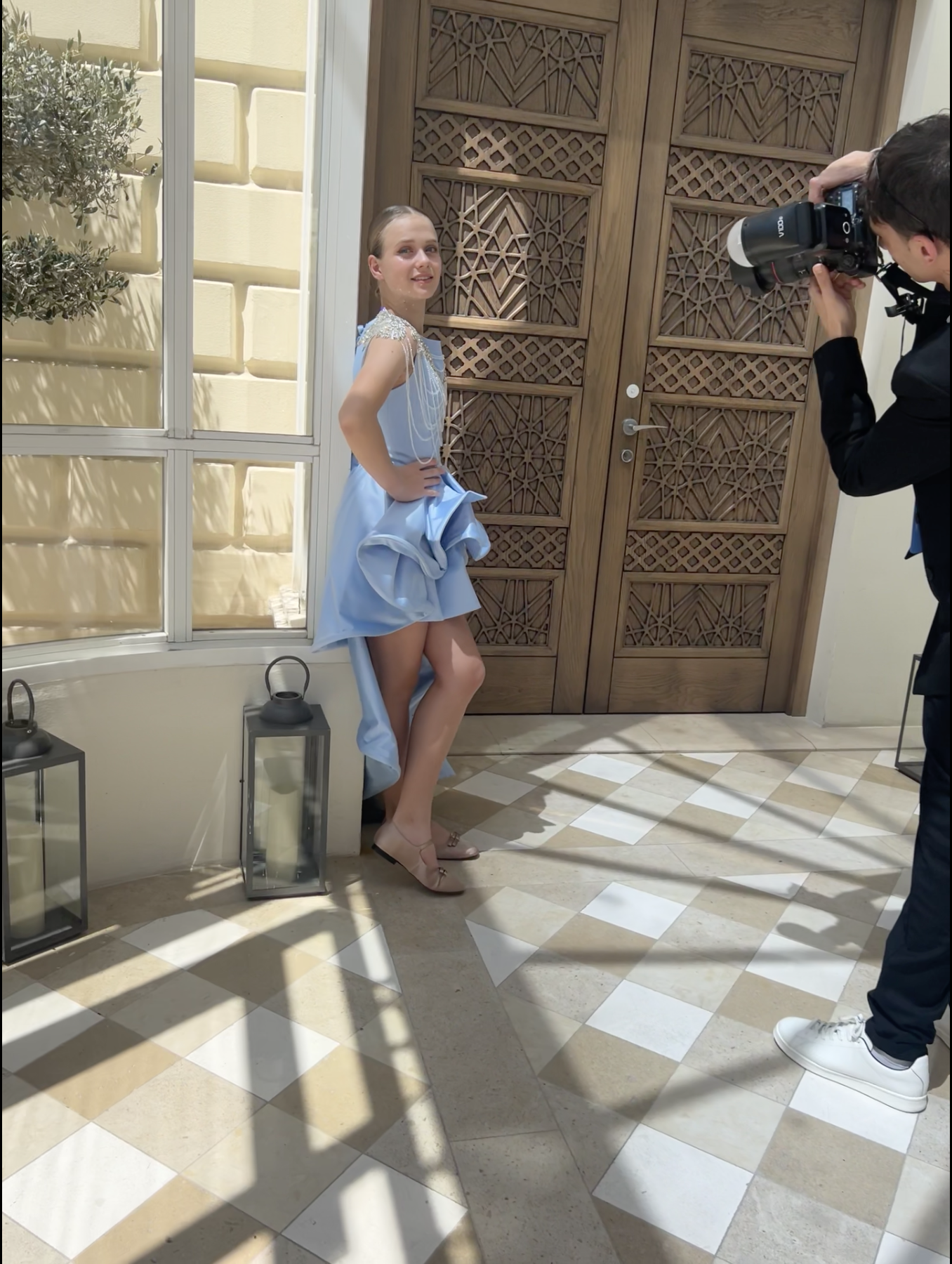
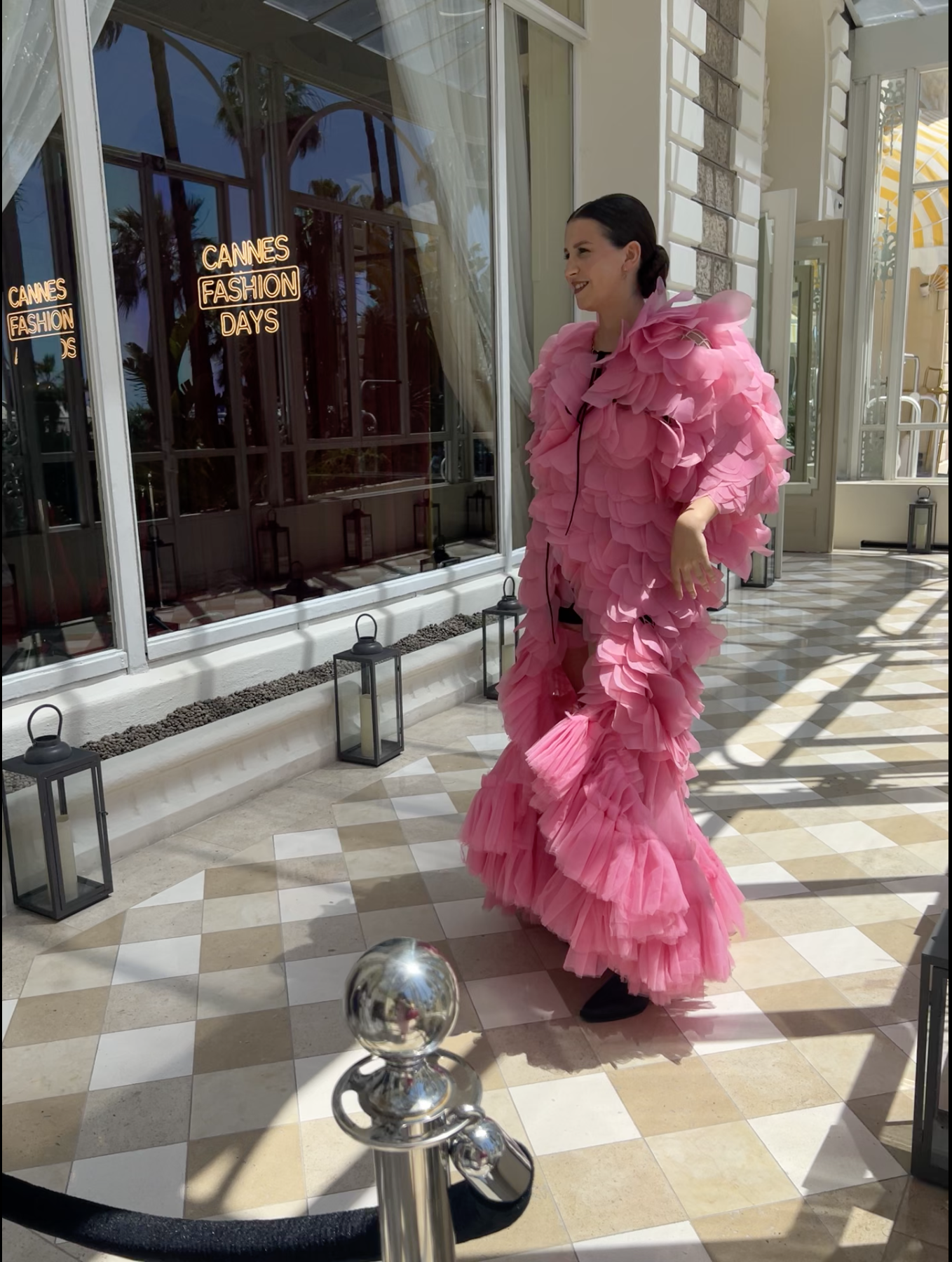
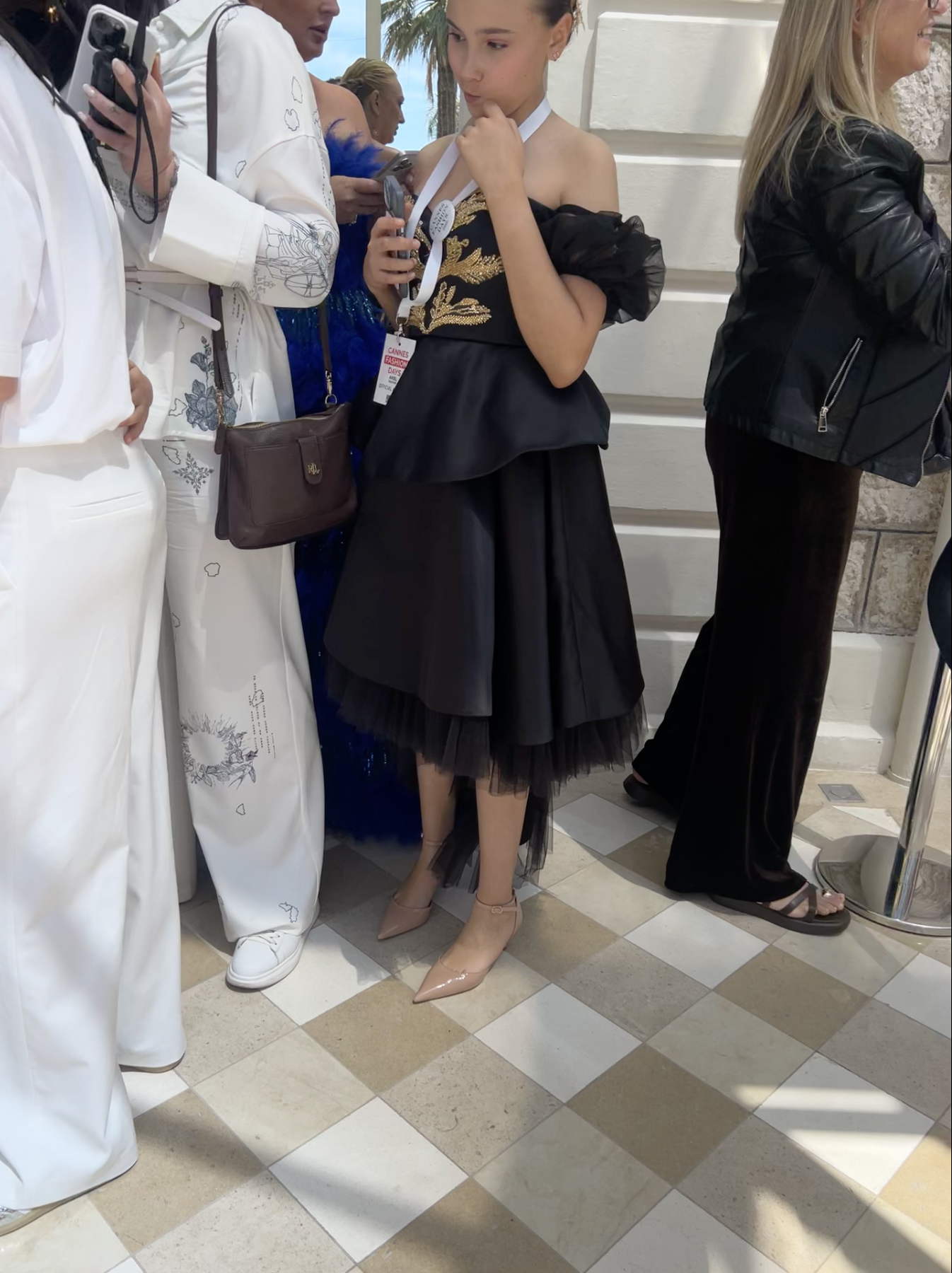
BEHIND-THE-SCENES IN CANNES FASHION DAYS 2026 AT CARLTON HOTEL

BEHIND THE SCENES IN CANNES FASHION DAYS 2026 AT CARLTON HOTEL

Cannes · May 17, 2026

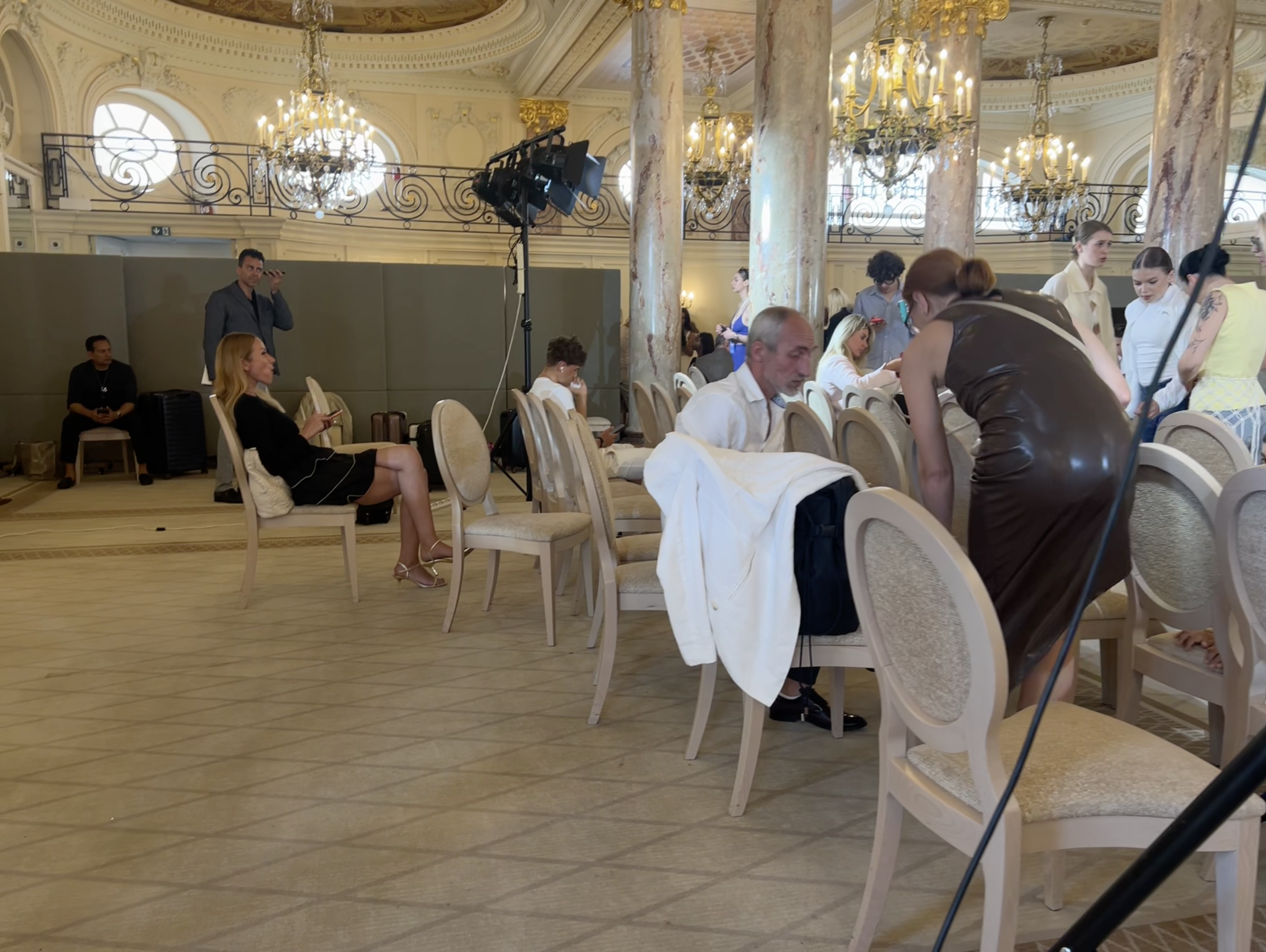
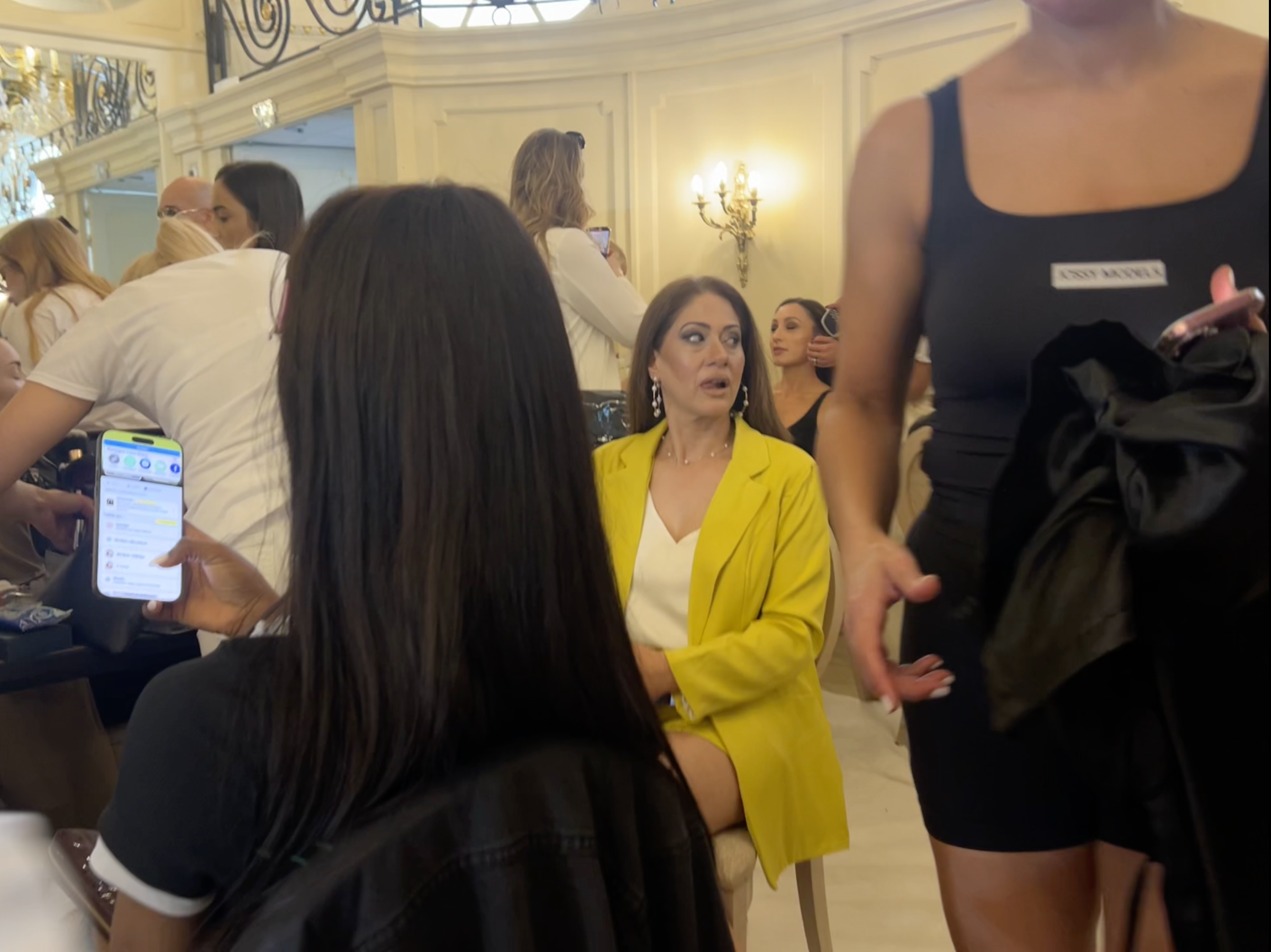
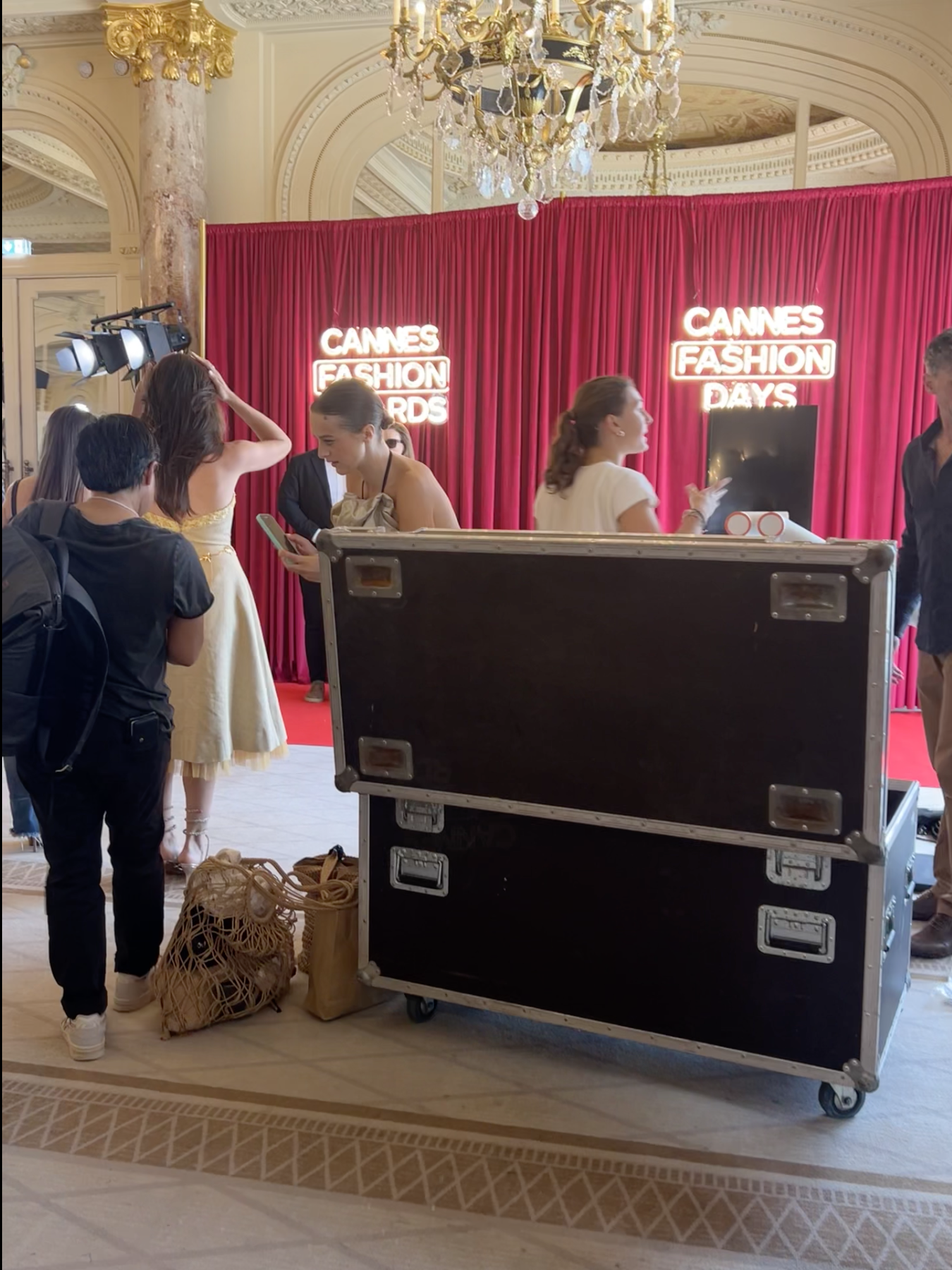
During the Cannes Film Festival, the French Riviera becomes a meeting point for fashion, cinema and international creative talent. This year, one of the fashion events taking its place in that landscape is Cannes Fashion Days, founded and led by Ukrainian designer Zoriana Semeniuk, founder of AKEL Couture.

On May 20, Semeniuk will bring the event to the legendary Carlton Cannes, where the Grand Salon will become a runway for an international group of designers and emerging fashion brands, followed by the Cannes Fashion Awards.

Semeniuk’s own AKEL Couture will be among the participating houses, presenting Kids Like Crystals in collaboration with international production centre Babyphotostars — a collection built around shimmer, delicate embroidery and a fairytale approach to children's couture. Her work as a designer will also be recognised during the awards, where she is set to receive the Best Fashion Designer distinction.

The wider programme brings together Maison Fatim, by Vel, Aerial x Serazelle, Paroma À La Mode, ELAW, PC The Label, Ciresel, Ishikaa Jain, BMatchy Label and Merita Couture, creating a deliberately international mix of couture, contemporary fashion, children's design and cultural craftsmanship.

Among the collections attracting attention is Maison Fatim, bringing Moroccan couture and richly embroidered kaftans inspired by royal heritage to the Carlton. Ukrainian label by Vel continues its Secret Garden story with Alice Through the Looking Glass, while Aerial x Serazelle will present ten signature dresses centred on femininity, fluidity and contemporary couture.

The afternoon will culminate in the Cannes Fashion Awards, recognising figures across fashion, modelling and beauty, including international top model Karolina Budka and Paris-based beauty professional Natalya Hemelsdael.

For Semeniuk, however, Cannes Fashion Days is about more than placing another runway on the Festival calendar. Her stated ambition is to build a trusted international platform on the French Riviera where designers can present their vision, share their stories and use fashion as a language of beauty, culture and identity.

And in Cannes, during the world's most watched film festival, that is a particularly powerful setting: a fashion platform built not around a single aesthetic or country, but around the movement of designers and ideas across borders.

DUCHELLE ATTENDS: VERONICA ROSSALINI AT COPENHAGEN FASHION WEEK

Copenhagen · August 22, 2026

Copenhagen Fashion Week

We attended VERONICA ROSSALINI’s show at Union this August, when the festival returned with two days of shows, performances, workshops and conversations built around a different fashion system — one centred on reuse, experimentation and the people pushing against the structures of conventional fashion. This year, the conversation was framed around Class Divide.

Among the designers taking that idea into their own hands was Moore Edgy.

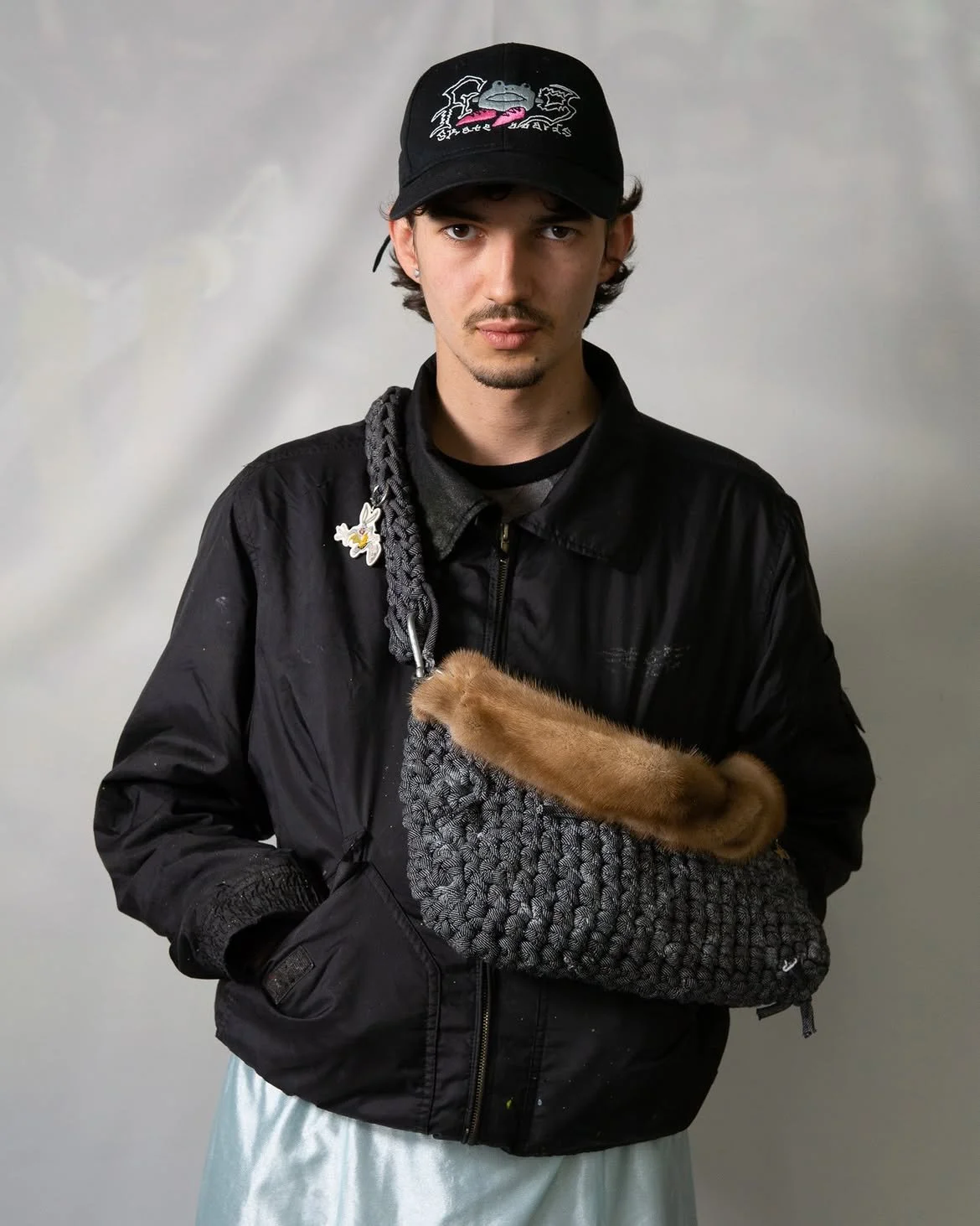
Described by Copenhagen Fashion Week as “upcycled, genderbending, iconic,” the Copenhagen-based label has built its identity around transforming forgotten materials into clothing with attitude. Founded by Veronica Rossalinu, Moore Edgy approaches fashion less as a set of rules than as a language — one that can be used to question who gets to belong, who gets to be seen and how we choose to present ourselves.

For its solo presentation at Alternative Fashion Week, the label brought together runway, performance and reconstructed design in a show that refused to separate fashion from the person wearing it.

That distinction matters.

At Moore Edgy, the clothes are not simply the finished product. They are part of a larger performance of identity — deliberately raw, deliberately unconventional and designed for people who have never been particularly interested in fitting neatly into someone else's idea of what fashion should look like.

The result felt at home within Alternative Fashion Week's wider programme. Rather than treating sustainability as a limitation, the festival places reuse and experimentation at the centre of the creative process. Its Fashion Agora showcased designers working with discarded and existing materials, while the festival's signature Deconstructed Catwalk combined theatre and traditional runway conventions.

Moore Edgy pushed that same spirit further: less polished conformity, more personality.

And perhaps that is where alternative fashion becomes most interesting. The question is no longer simply what can be made from an old garment, but what happens when the garment itself becomes a way of refusing the expected.

Be bold. Be Moore Edgy.

DUCHELLE attended Copenhagen Fashion Week at Union in Copenhagen.

DUCHELLE ATTENDS: ELLE'S 200TH ISSUE CELEBRATION AT SOHO HOUSE COPENHAGEN

Copenhagen · May 26, 2025

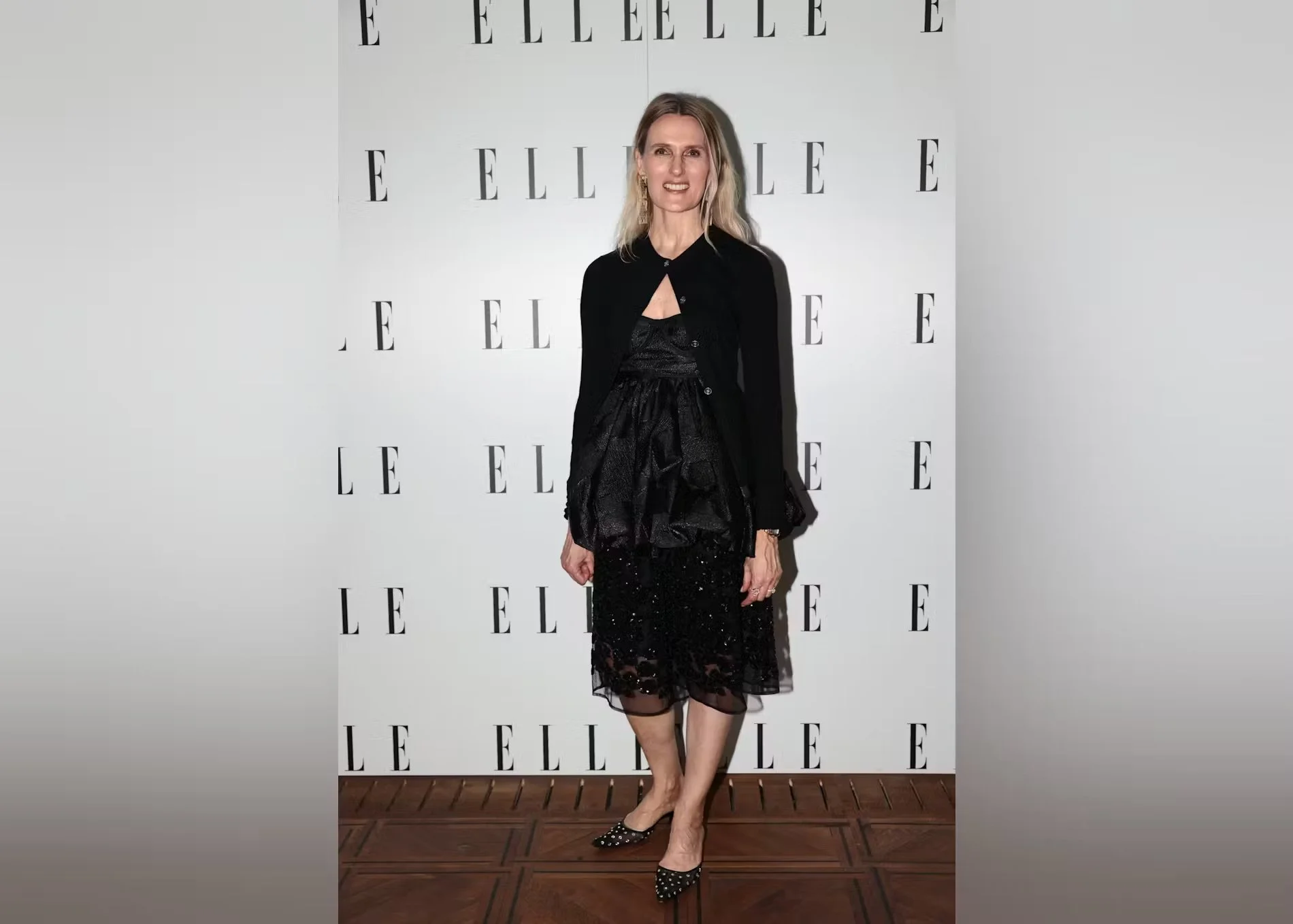
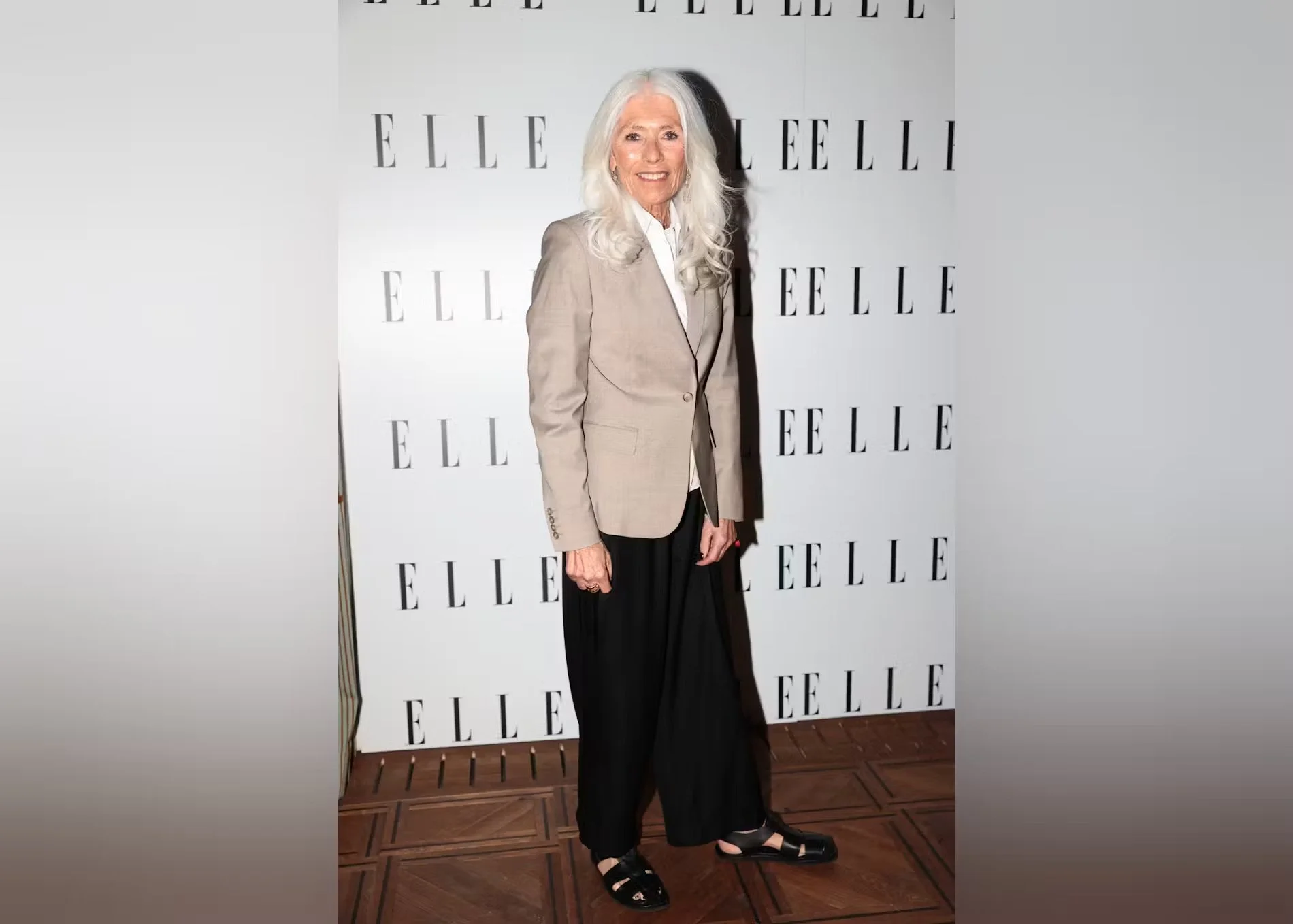
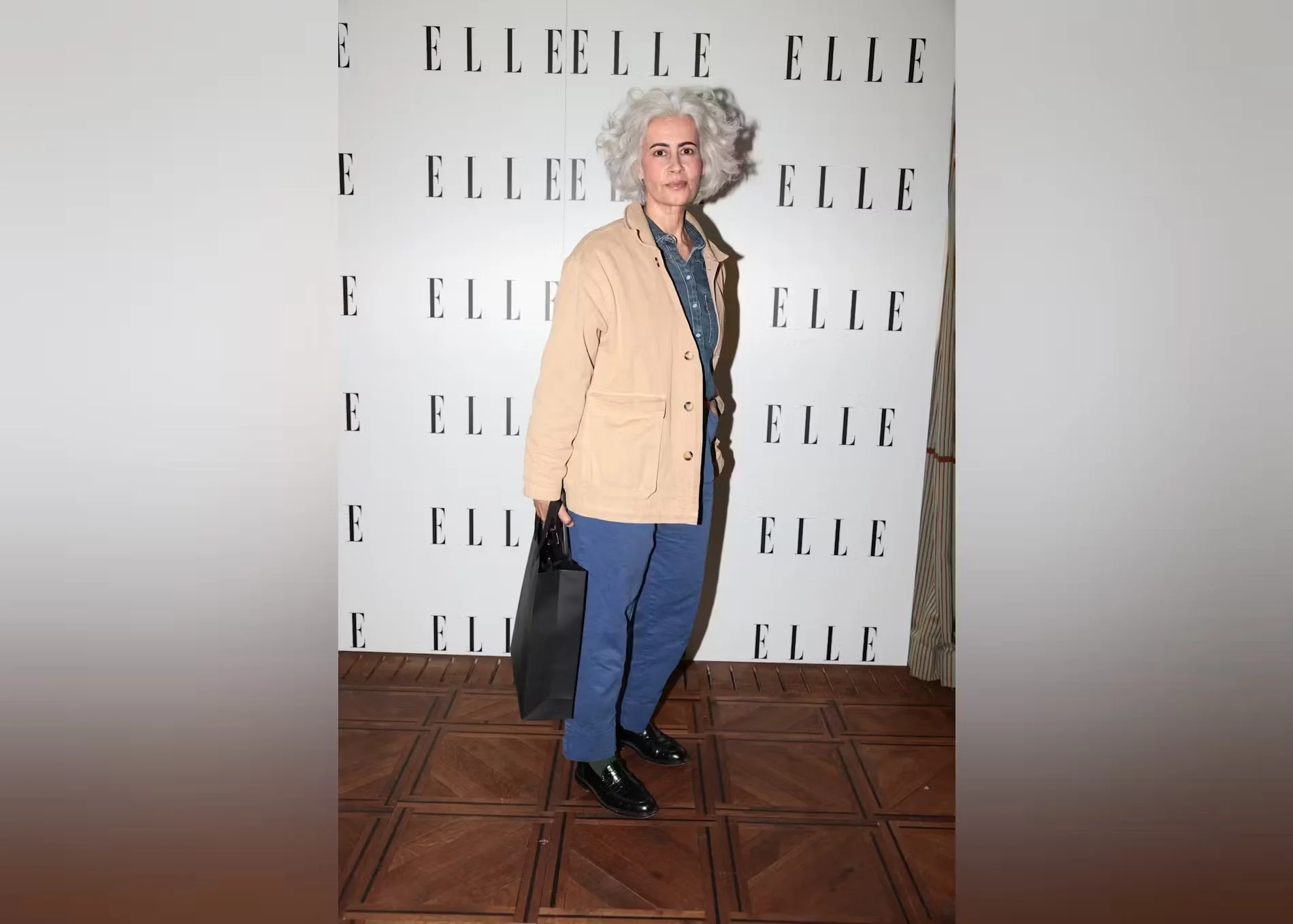
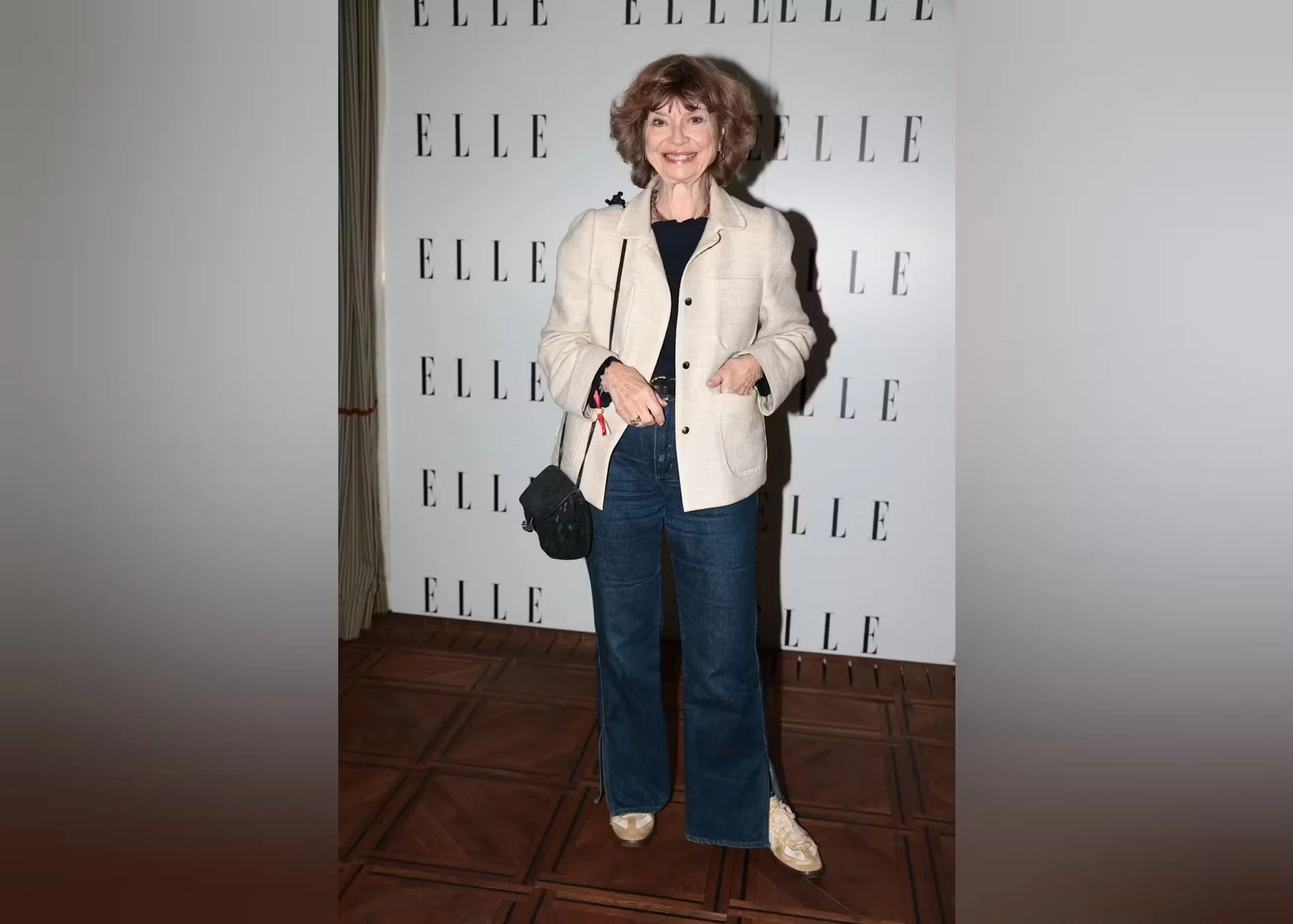
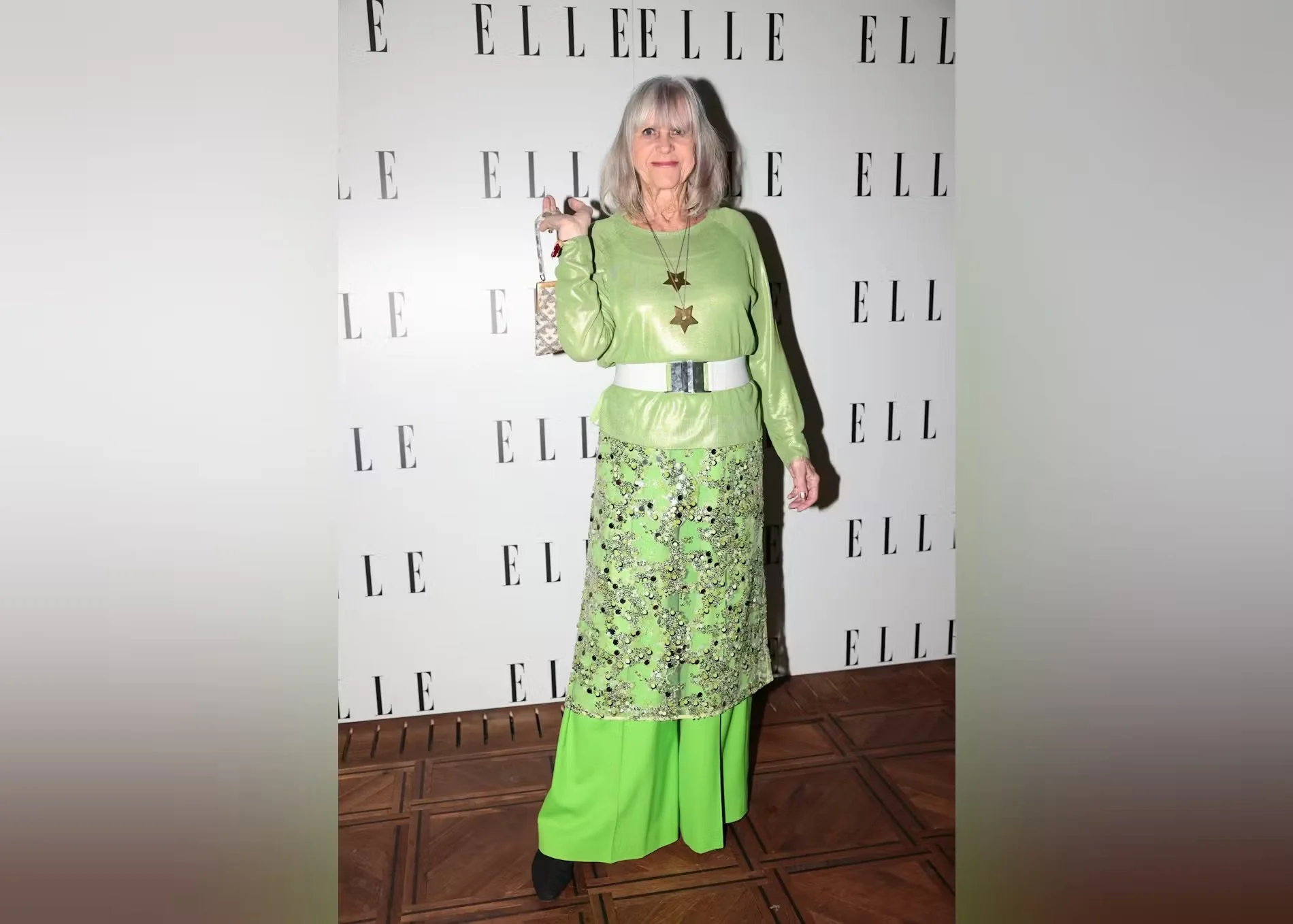
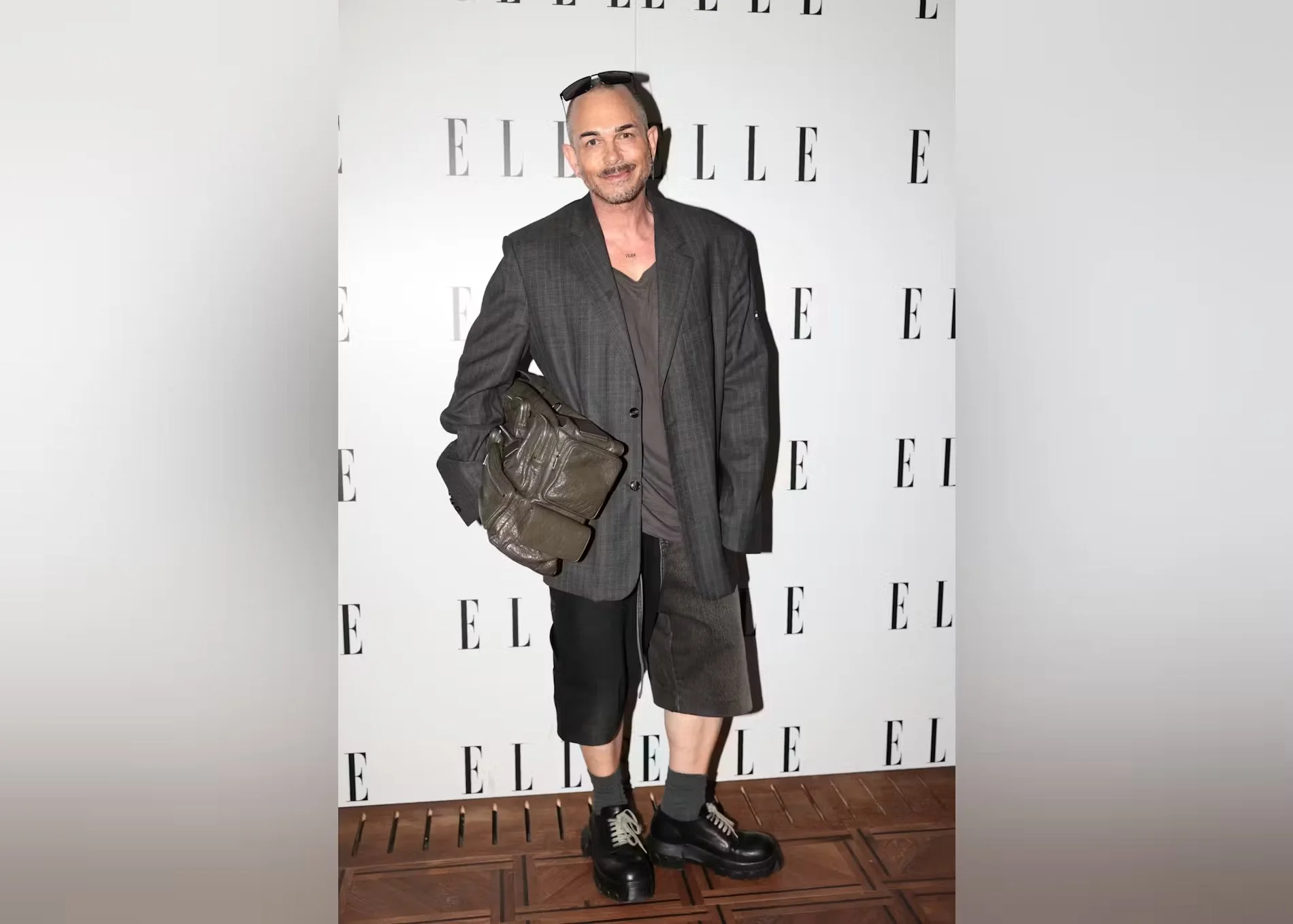
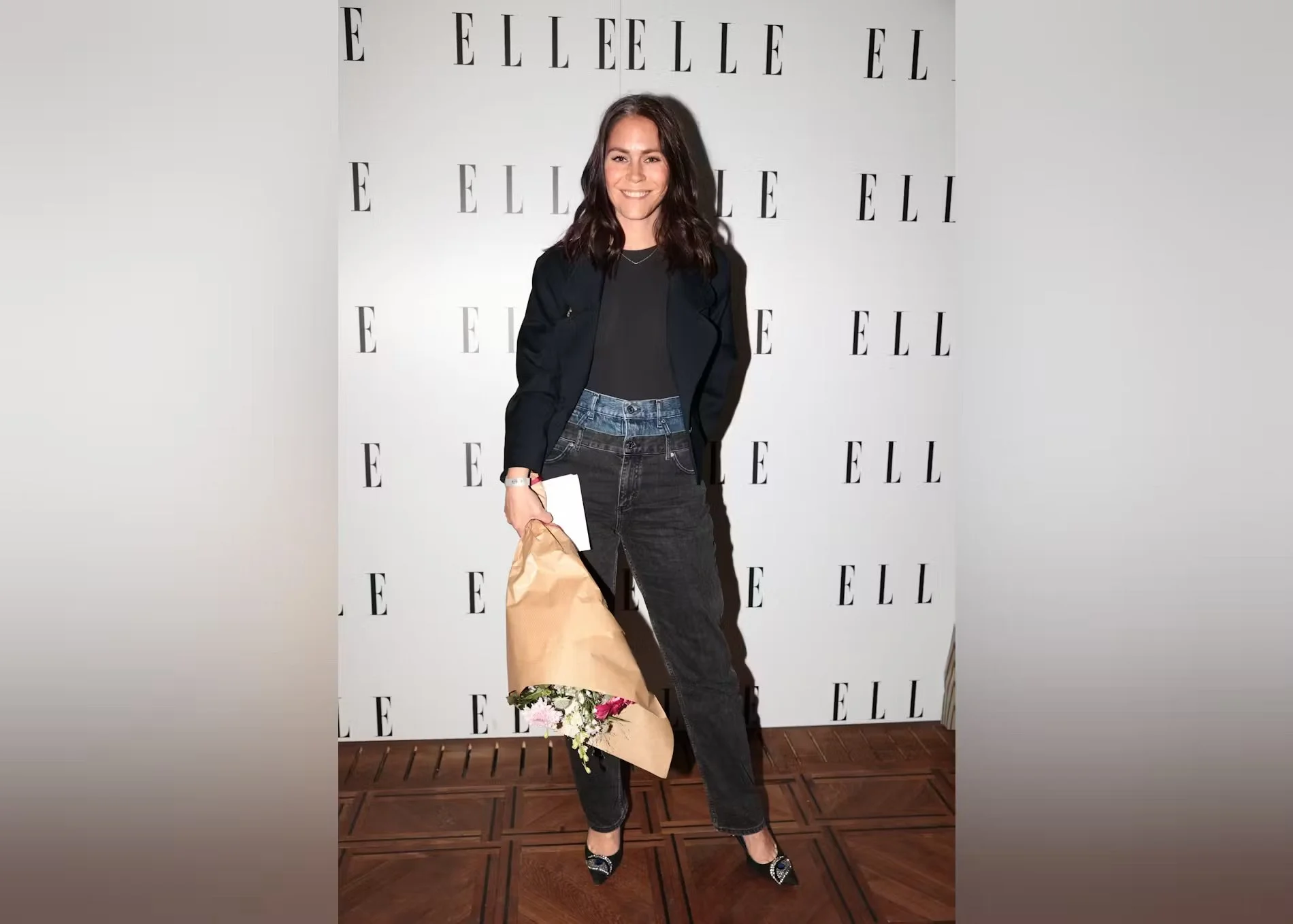
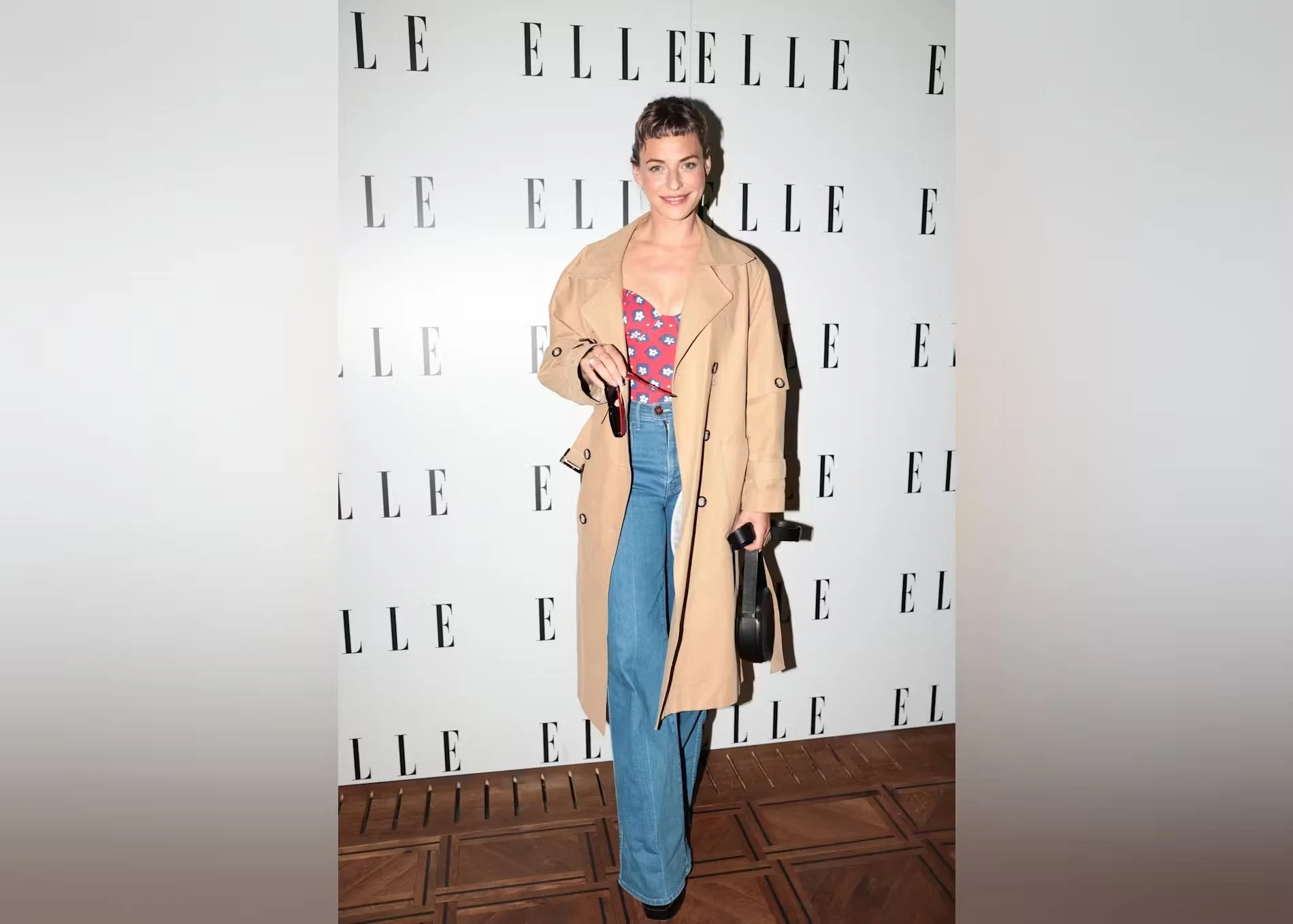
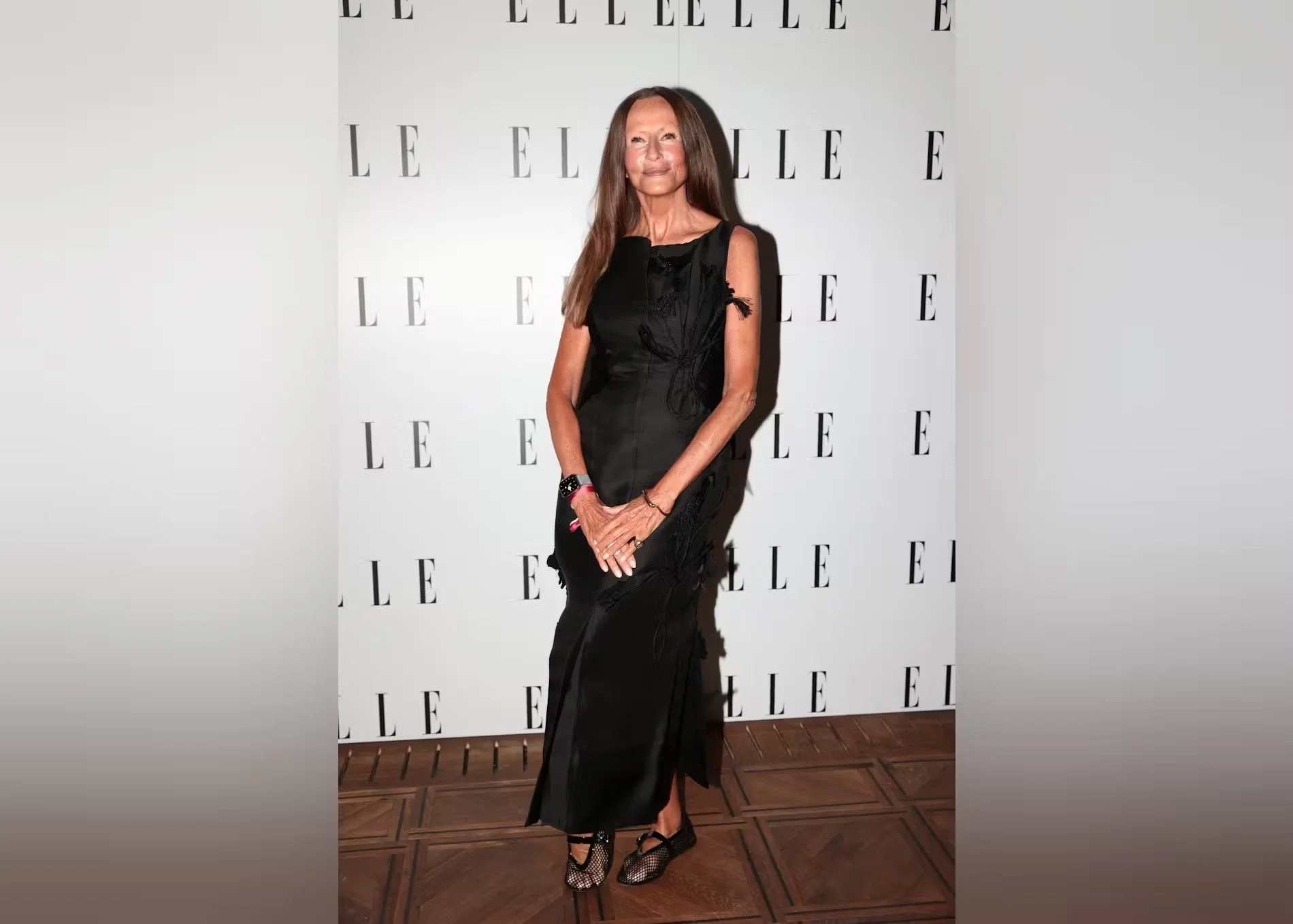
Four-hundred special guests gathered at Soho House Copenhagen as ELLE Denmark celebrated the launch of its 200th issue – a milestone for the magazine and a gathering of names from across Danish fashion, culture and the creative industries.

DUCHELLE attended the celebration alongside some of the most recognisable names in Danish fashion, culture and society, including Count Nikolai of Monpezat, a member of the Danish royal family and one of the cover stars of ELLE’s 200th issue, alongside Benedikte Thoustrup; Uffe Buchard, one of Denmark’s most influential fashion and creative directors; Stine Goya, the internationally recognised Danish fashion designer and founder of her eponymous label; and Lotte Freddie, one of Denmark’s most established fashion journalists and editors. Also among the guests was Cath Alexandrine, Countess Danneskiold-Samsøe, as well as DUCHELLE founder Dasha Grady, alongside DUCHELLE founder Dasha Grady, who was photographed with the Countess and Marie Sand, daughter of fashion designer Malene Sand and part of the family behind the Danish fashion house SAND.

The evening brought together designers, models, artists, stylists, musicians and other creative figures from Copenhagen’s fashion and cultural scene to mark the publication’s 200th issue.

For DUCHELLE, the evening offered another glimpse into the people and creative energy shaping Copenhagen – a city whose fashion and cultural scene continues to grow and to connect local talent with an increasingly international audience.

As DUCHELLE expands its editorial work across fashion, culture, music and events, Copenhagen remains an important part of the story.
And from Copenhagen, the next chapter leads to Paris.

DUCHELLE
Culture. Fashion. Music. Events.

DUCHELLE INTERVIEWS: Pegah Savehshemshaki: From Tehran to Los Angeles

Pegah Savehshemshaki on Fashion, Identity and Finding a Way Forward

DUCHELLE Magazine · Interview

We had the honor of sitting down with Los Angeles-based model and artist Pegah Savehshemshaki for a conversation about fashion, identity, womanhood and the unexpected paths that can lead us somewhere entirely new.

Born in Tehran, Pegah is three quarters Iranian and one quarter Slavic. She left Iran for Germany with her parents at a young age before eventually making Los Angeles her home. Her journey into modeling was equally unexpected: after working in biology and biotechnology, she found herself drawn toward a creative world where she could explore a different side of herself.

But behind the fashion images is a much deeper story. As a child, Pegah and her family were refugees seeking asylum in Germany. During their journey through Eastern Europe, they found themselves in Sarajevo during the Kosovo War — an experience she remembers vividly to this day.

We spoke with Pegah about the many chapters of her life, from discovering modeling as a form of storytelling to leaving behind a stable career, navigating difficult personal experiences and learning to keep moving forward.

DUCHELLE: To you, what is modeling?

Pegah Savehshemshaki: To me, modeling is a communicative art form that allows you to express yourself in many ways. When I'm modeling, I feel like I'm telling a story.

DUCHELLE: What is something people might be surprised to learn about you?

Pegah Savehshemshaki: I eat a grotesque amount of junk food and hardly ever exercise in the gym. So bad, I know.

DUCHELLE: How should women empower each other?

Pegah Savehshemshaki: Women can empower each other by supporting each other's endeavors and not being so quick to take each other down. Also, women can support each other by exercising empathy as opposed to judgment.

DUCHELLE: Has there been a change of mind that changed your life in a positive direction?

Pegah Savehshemshaki: After discovering that he had been cheating on me on and off for the two-year expanse of our relationship, I recently broke up with my ex-boyfriend.

DUCHELLE: What is the greatest hardship you have conquered in life?

Pegah Savehshemshaki: I survived the Kosovo War in Bosnia during the 90s.

My parents were refugees seeking asylum in Germany, but had to cross certain parts of Eastern Europe to do so. So, at one point, we ended up in Sarajevo, Bosnia.

I was very young, yet I distinctly remember a man next to me getting shot in the face by a sniper bullet. His blood ended up splattering me and I still dream of it.

DUCHELLE: What is the greatest lesson you have learned from conquering hardship — something you would share with someone going through something similar?

Pegah Savehshemshaki: There is always a way forward, even when you are feeling completely hopeless. There is always tomorrow. The Sun will shine again.

I truly endorse the efficacy of the power of positive thinking. Sometimes, all you need is a paradigm shift.

DUCHELLE: You had a background in biology and worked in biotechnology before entering modeling. What made you take that leap?

Pegah Savehshemshaki: As someone with a background in biology who worked in a biotech company until very recently, entering the modeling world was a sort of serendipitous yet unapologetic stumble.

I didn't plan on it, but loved every minute of it. It let me explore my creativity and artistry in a way that biology did not.

It's not every day that people will get up and leave their stable desk jobs to become a model, especially one who is at times donning nothing but glitter!We had the honor of speaking with Los Angeles-based model and artist Pegah Savehshemshaki, whose journey has taken her from Tehran to Germany and, ultimately, Los Angeles.

With an Iranian and Slavic heritage and a background in biology and biotechnology, Pegah's path into modeling was far from conventional. Her story also carries a much heavier history: as a young child, she and her family were refugees seeking asylum in Germany, and during their journey through Eastern Europe, they found themselves in Sarajevo during the Kosovo War.

What began as a conversation about modeling soon became something much more personal. We spoke about the relationship between fashion and self-expression, women's relationships with one another, leaving behind an established career, surviving childhood trauma, and finding the courage to begin again.

DUCHELLE INTERVIEWS: ERNEST THIESMEIER


Ernest Thiesmeier

From the DUCHELLE Archives

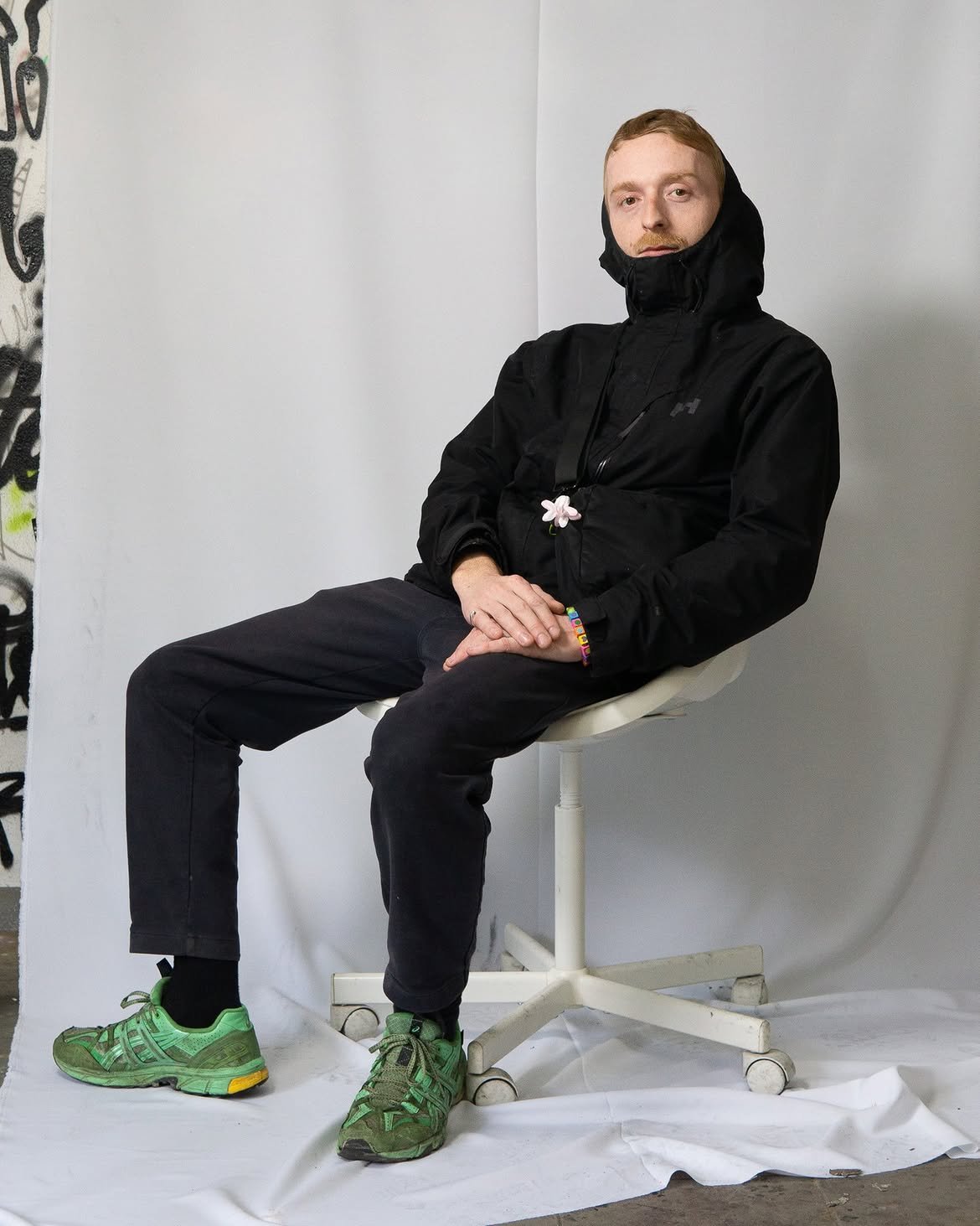
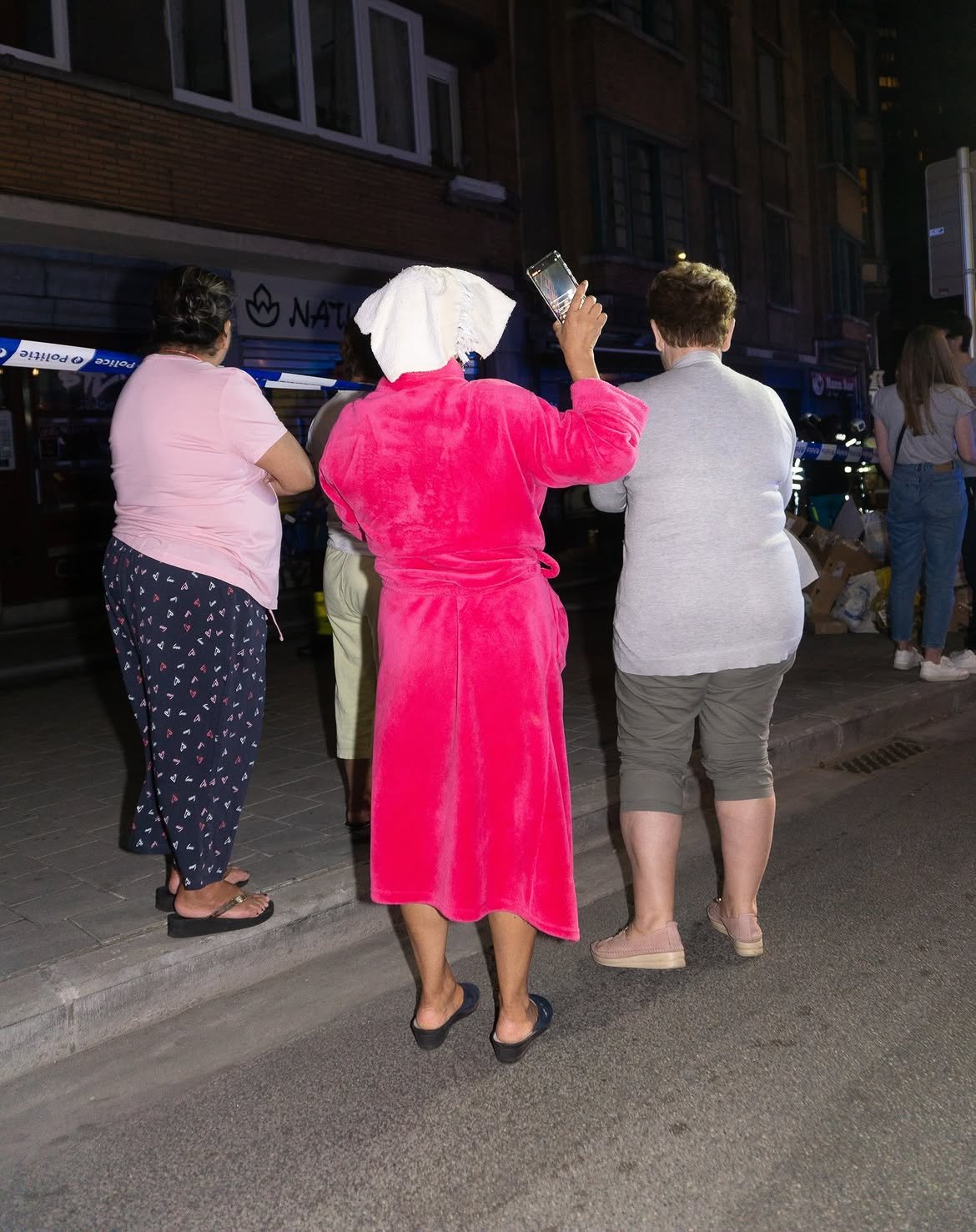
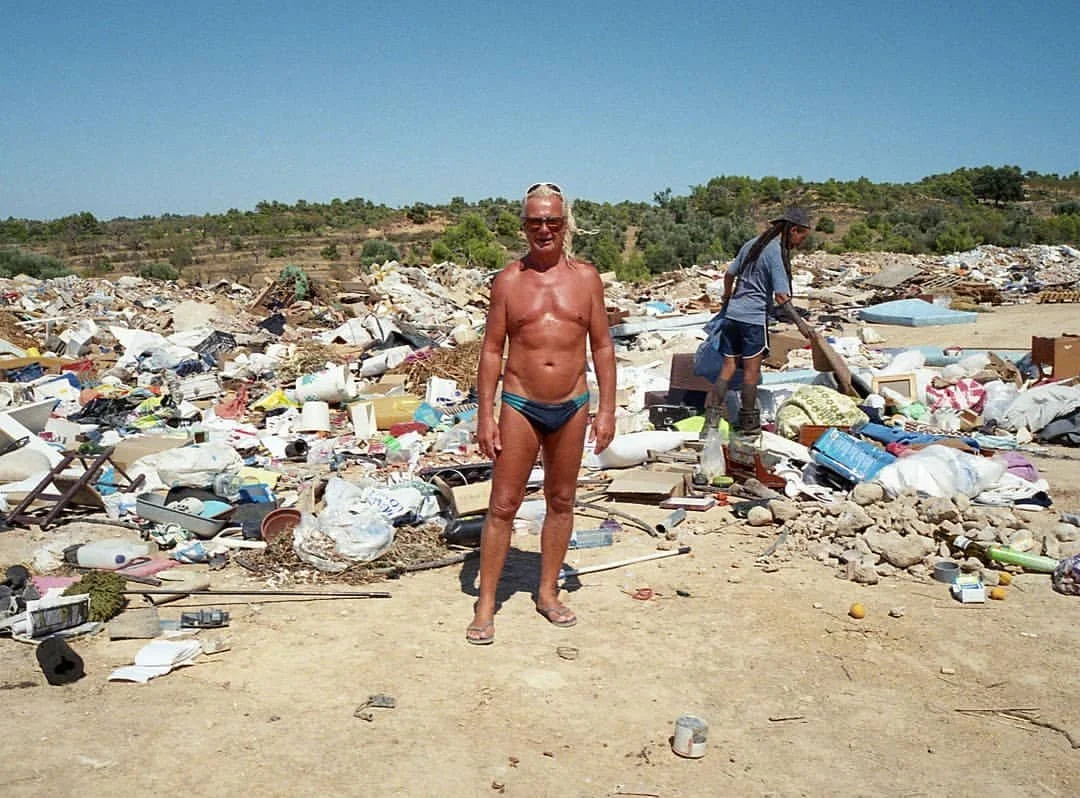
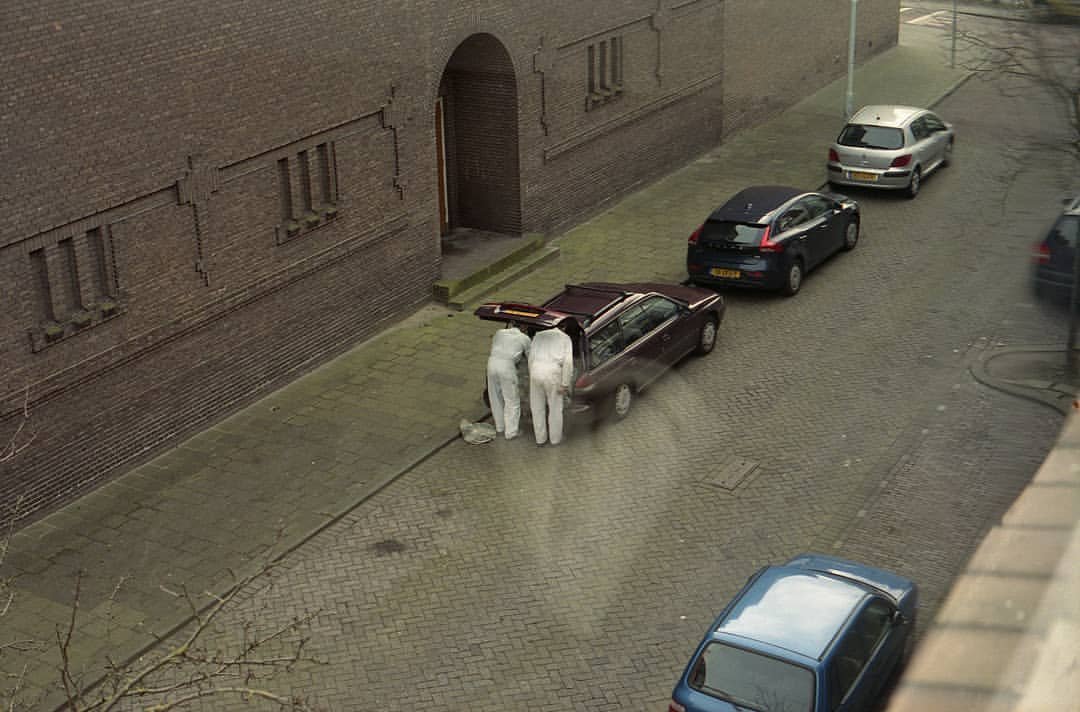
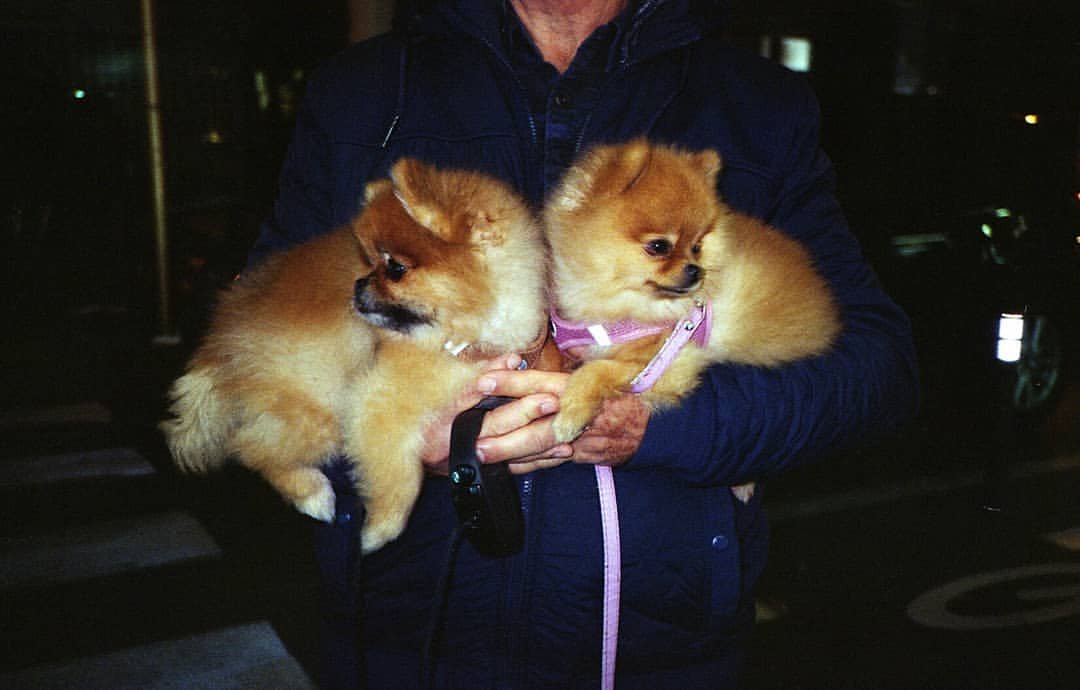
DUCHELLE sat down to interview Vice featured fashion and lifestyle photographer Ernest Thiesmeier. VICE Belgique — “Les photos d’Ernest Thiesmeier se résument en trois mots : joie de vivre”

Ernest is ein Berliner, with a father from Germany and a mother from Luxembourg.

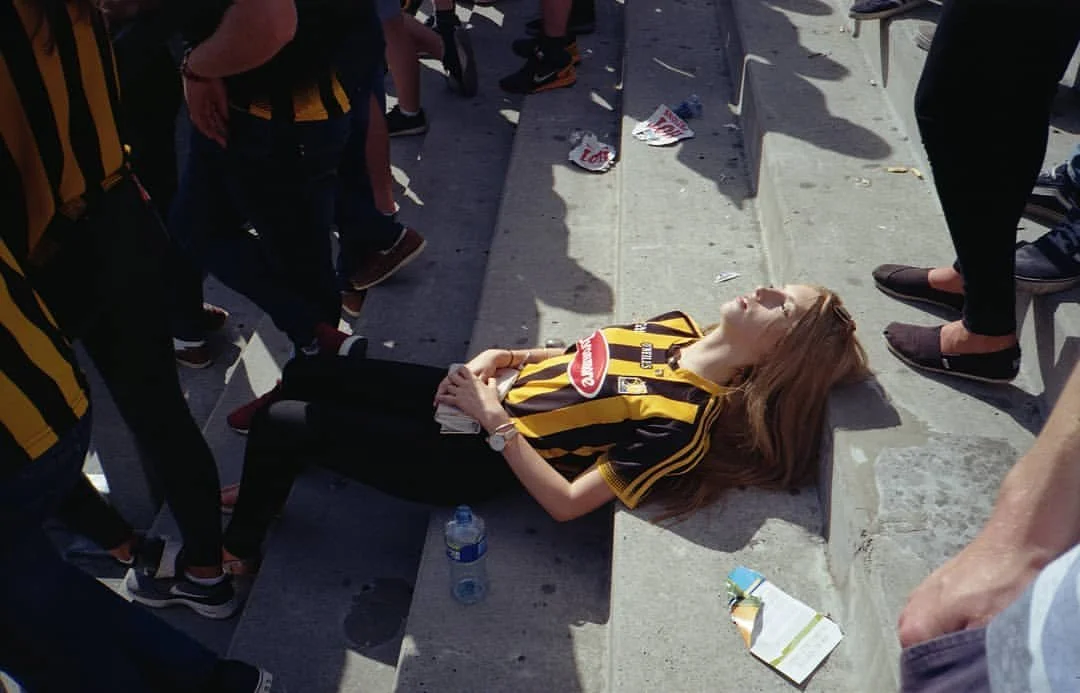
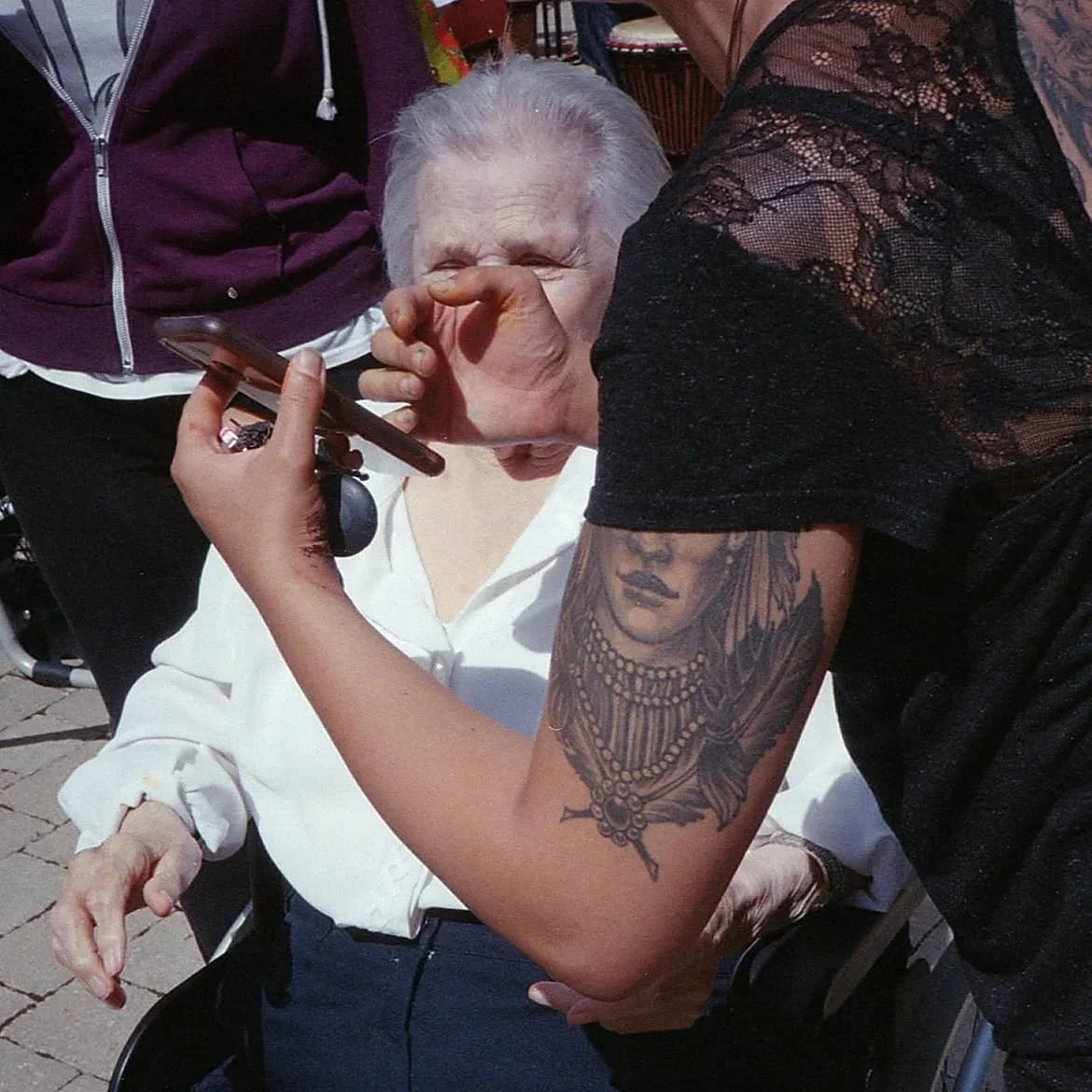
You could spot Ernest with his analogue Nikon camera strapped around his neck, or out exploring his new country, Ireland.

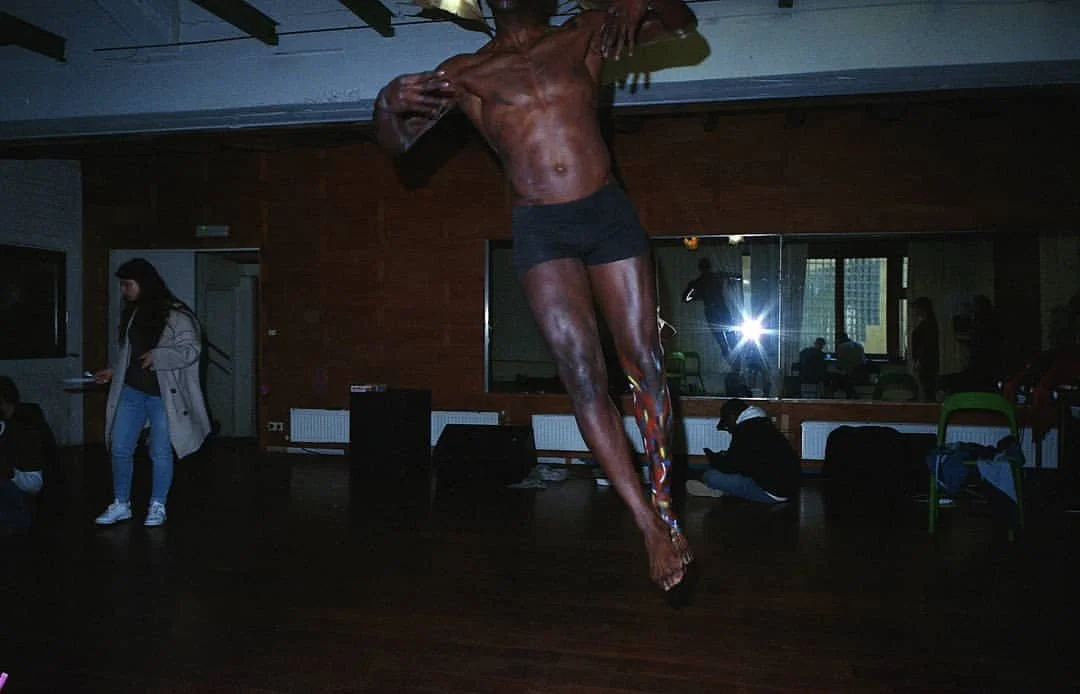
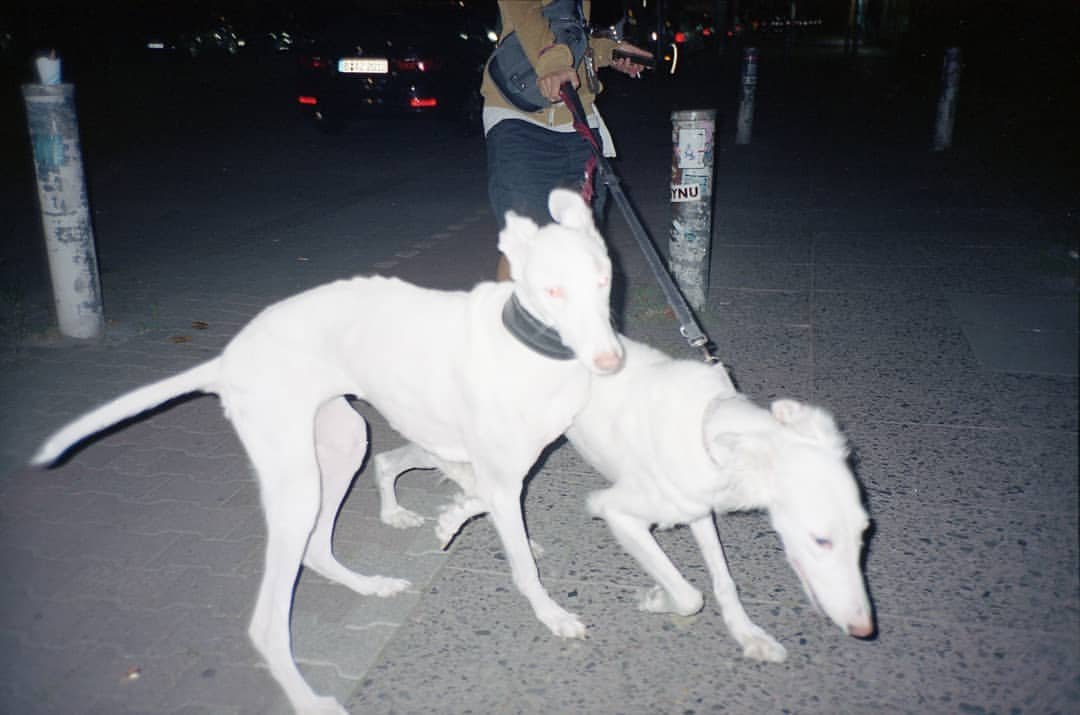
Ernest shared his creative output through drawing comics, taking photographs and writing on his blog. His interests stretched from history and literature to visual culture and the relationship between images and society.

At the time of our conversation, photography was still a relatively new medium for Ernest. He had experimented with filming in Japan, returned to drawing comics as his visual expression, and eventually began photographing seriously after receiving a camera for his birthday following a trip to Korea.

For Ernest, photography was ultimately about freedom: stepping outside, looking at the world and seeing what was there.

The Interview

DUCHELLE: What did you want to be as a child?

ERNEST: As a child I wanted to be a historian. I love to read, but I haven't become a historian — yet.

DUCHELLE: What’s your favourite time in history?

ERNEST: History in general. As a child I was playing these games. I remember a strategy game called Age of Empires II, which was pretty cool. You can learn a lot about history from educational games like these. It’s the perfect way to make children interested in these topics.

I also played a game called Oscar Ballongfararen, based on a German series about this guy that sits in his balloon and fares the world. It’s a point-and-click game and you get to learn a lot about the world, about the plants and other trivia. This is off-topic, I know.

“I want people to look at my photographs and think ‘I saw something nice today.’”

— Ernest Thiesmeier

DUCHELLE: What made you take up photography?

ERNEST: My dad is a filmmaker. I never really took photographs growing up but when I was in Japan I had a film camera and I did filming on that and I edited the material but I lost all the footage on my software so I thought fuck it and I didn’t do it again.

I then started drawing, quite a lot actually. I did comics which was my visual expression. Last year 2016 (when I went to Korea) I got a camera for my birthday and during my semester I started to take photographs and have been doing it ever since. So that’s how I got started.

I’m very interested in visual things in general, looking at photographs through social aspect too.

DUCHELLE: What inspires you in photography?

ERNEST: The world outside for sure. The feeling that comes with it, being free. It’s freedom to look where you want and do what you want. In society you have to behave a certain way. Perhaps you’re regimented and you can create your own bubble, you can call it art I guess. But it gives a sense of freedom to your mind. The photographer who inspires me the most is Josef Koudelka.

DUCHELLE: What do you want to say with your photography?

ERNEST: Nothing. I want people to look at my photographs and think “I saw something nice today.” That’s all you can ask for really. It also shows the world from the perspective I am in during the given moment. I just step outside and photograph whatever is in front of me. There’s nothing professional about my photographs.

DUCHELLE: You’re doing a master in Dublin. Tell us about that.

ERNEST: I will be studying textual and visual studies which is a fashion of words and images. I did my Bachelor thesis on photographs of refugees in the German newspaper. I went to the library, gathered photographs and analysed the photographs through a method called semiotic analysis.

Photographs have not been researched as much as literature has but with the new era of images popping up and becoming a larger part of our society, the textual and visual studies is an interesting new perspective.

DUCHELLE: Has there been a moment in your life that was so precious that you didn’t want to photograph it?

ERNEST: When I grab my camera I’m in the mindset of taking photographs. I don’t carry it around without purpose and to mindlessly snap away photographs so such a moment hasn’t occurred to me yet.

DUCHELLE: What do you think of selfies?

Since Then

Ernest's photography went on to receive further attention in Dublin. His work was exhibited with the Dublin University Photography Association, where The University Times described his work as classic black-and-white street photography.

He was later profiled by VICE Belgique in a dedicated feature on his photography, “Les photos d’Ernest Thiesmeier se résument en trois mots : joie de vivre.” The profile explored his photographic practice, his use of both analogue and digital cameras, and several personal book projects. VICE Belgique — “Les photos d’Ernest Thiesmeier se résument en trois mots : joie de vivre”

From the Archives.